Practical information Norway
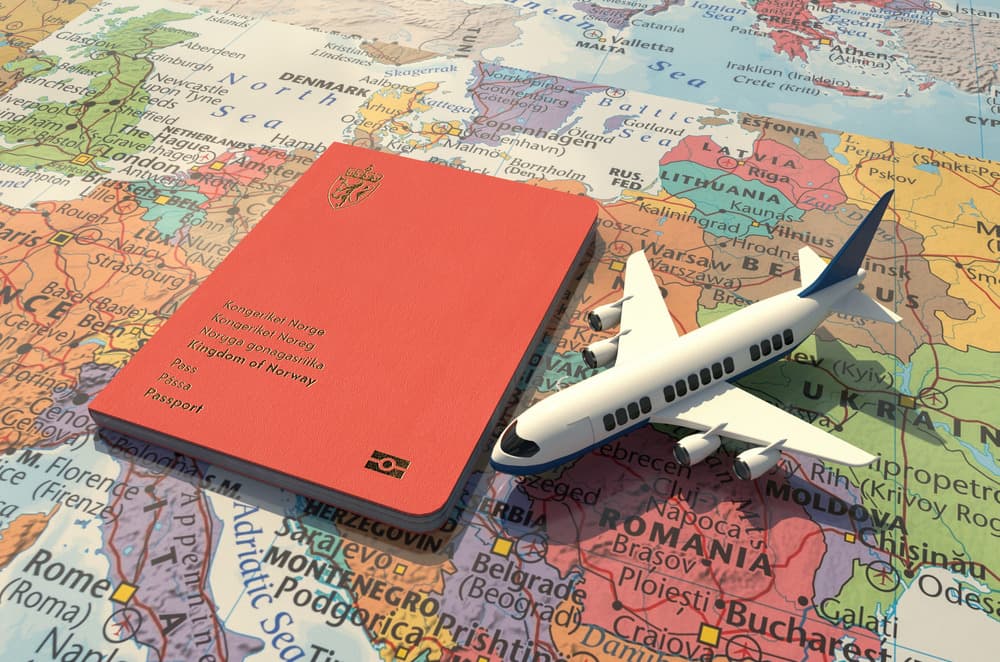
Norway is not part of the European Union but belongs to the Schengen area, which simplifies entry for French, Belgian and Swiss travelers: a valid identity card or passport is sufficient for tourist stays of up to 90 days. On the health side, no vaccines are mandatory and the medical network is excellent, but travel insurance with repatriation assistance is strongly recommended given the distances and cost of care. Budget is the main thing to plan for: Norway ranks among Europe's most expensive countries, with a realistic range of 180 to 280 euros per day per person excluding international flights, and more in the far north in winter. The Norwegian krone (NOK) is used everywhere, but the country operates almost cashless, with cards accepted even for 2 euros worth of coffee. The climate varies greatly: relative mildness on the west coast thanks to the Gulf Stream, harsh winters in the interior valleys and beyond the Arctic Circle. For transport, the Oslo-Bergen-Trondheim rail network is spectacular, the Hurtigruten hugs the coast over 11 days, and car rental is essential for the fjords. Ramuté and our English-speaking local team guide you beforehand on ferries to book, winter driving permits and areas where fuel is scarce. Safety is among the world's best, and respect for the right of free access to nature (allemannsretten) is part of the local codes to know.
Plan your trip by theme
Explore our practical guides organized by category to quickly find the information you need.

Before You Go
ID card or Schengen passport, repatriation insurance, cold-weather gear and formalities to plan ahead for Norway.
3 articles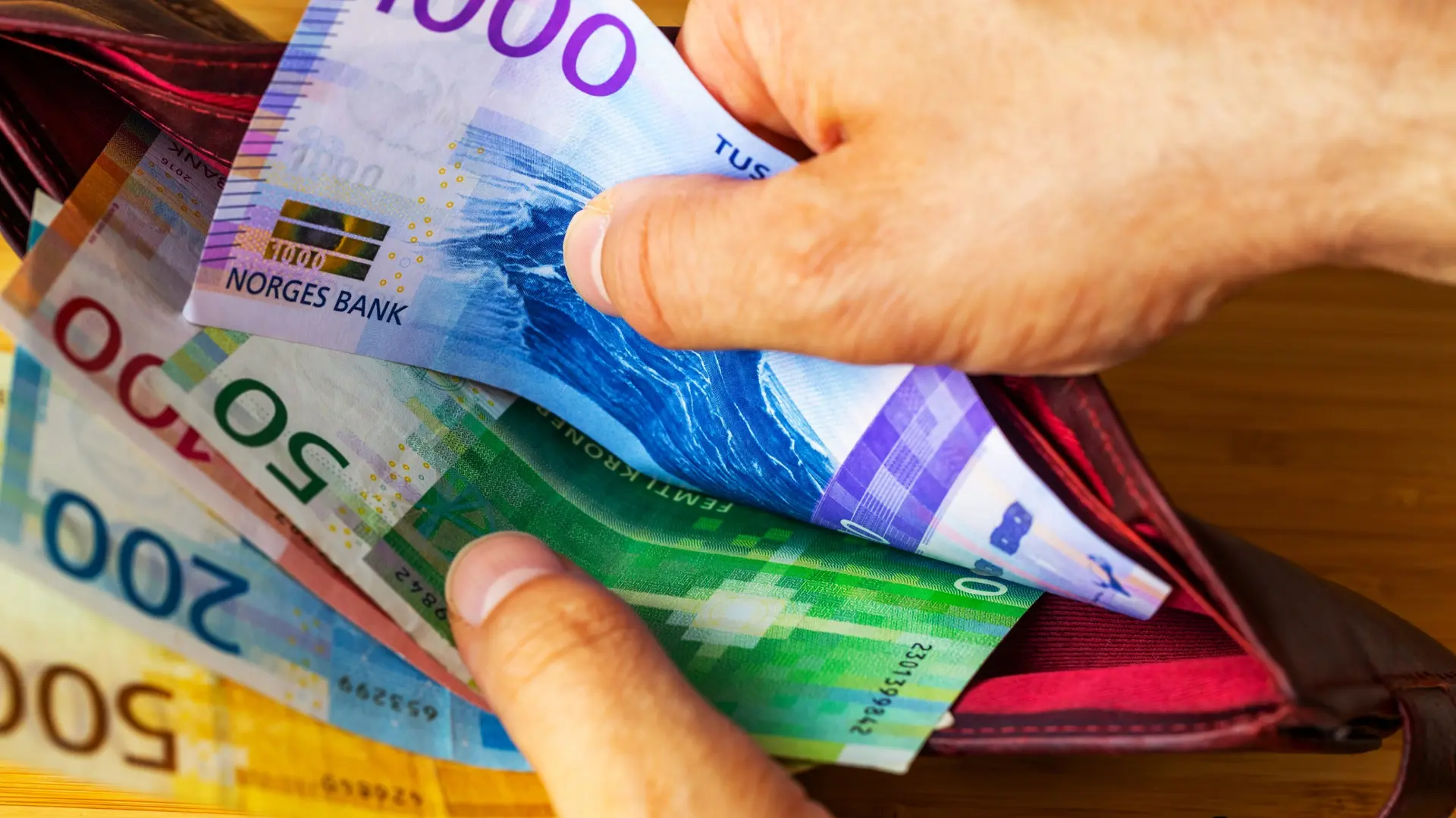
Budget
Norwegian krone (NOK), 180-280 euros per day per person, card payments widely accepted, tipping not required.
Climate Season
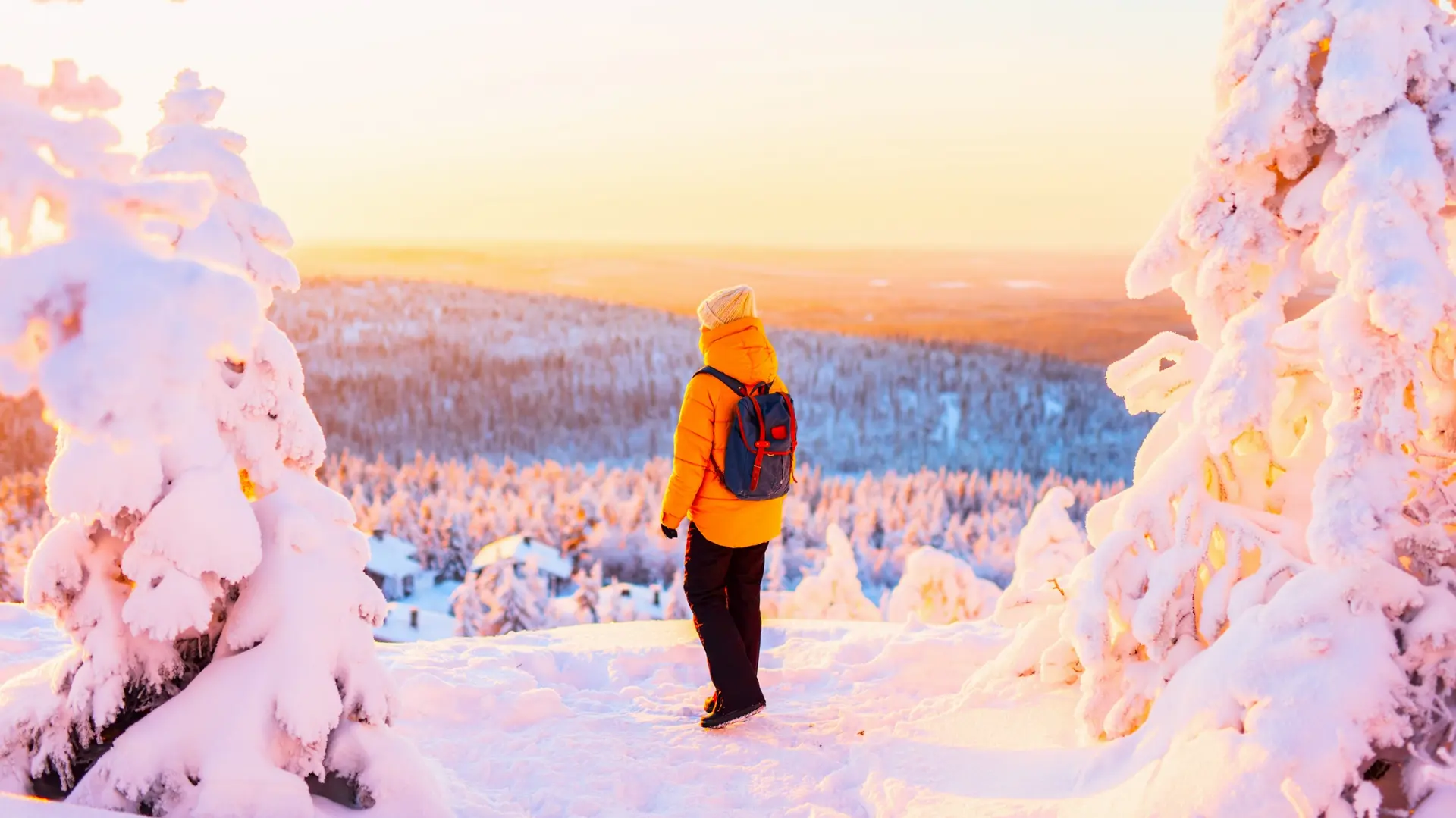
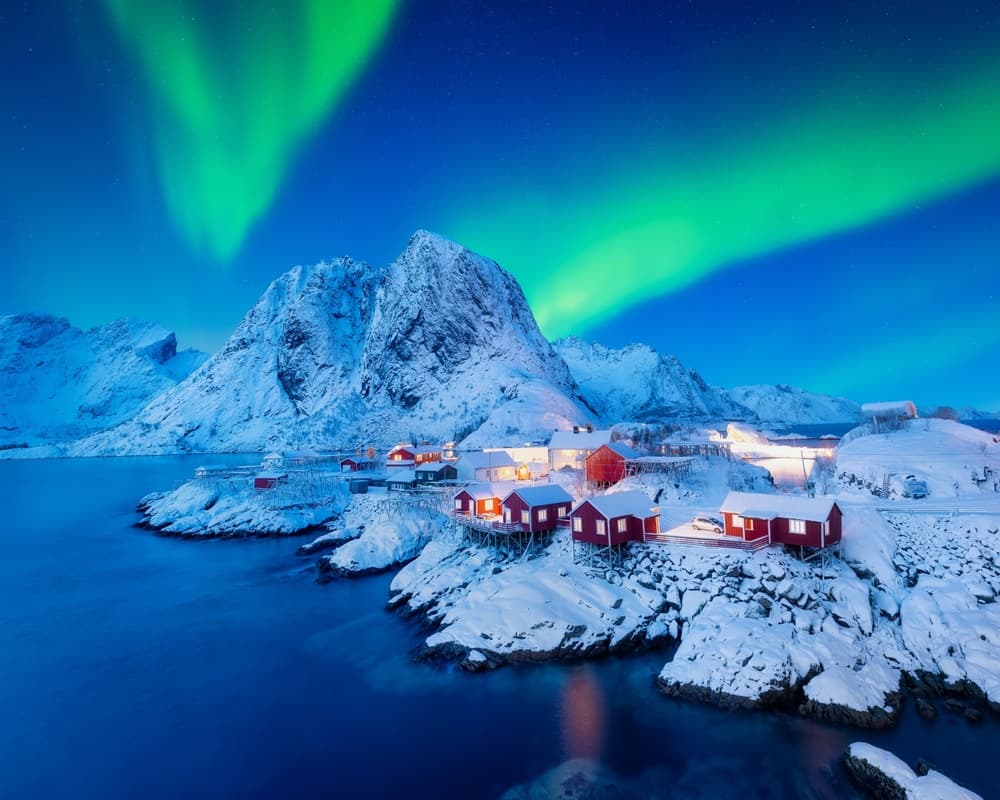
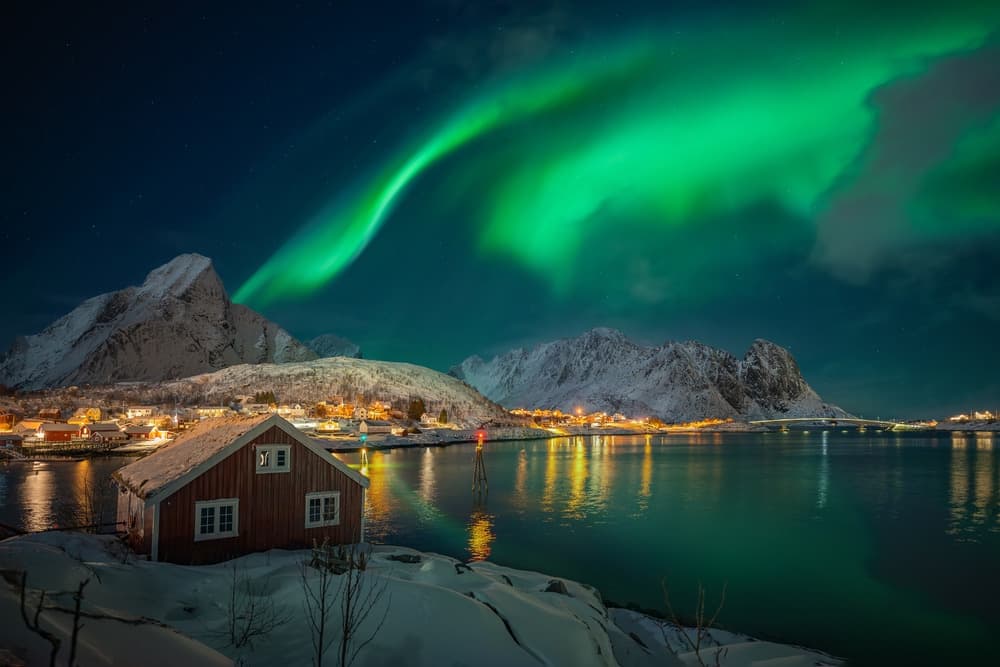
Mild summer June-August, northern lights September to March, significant variations between west coast and interior plateaus.
4 articles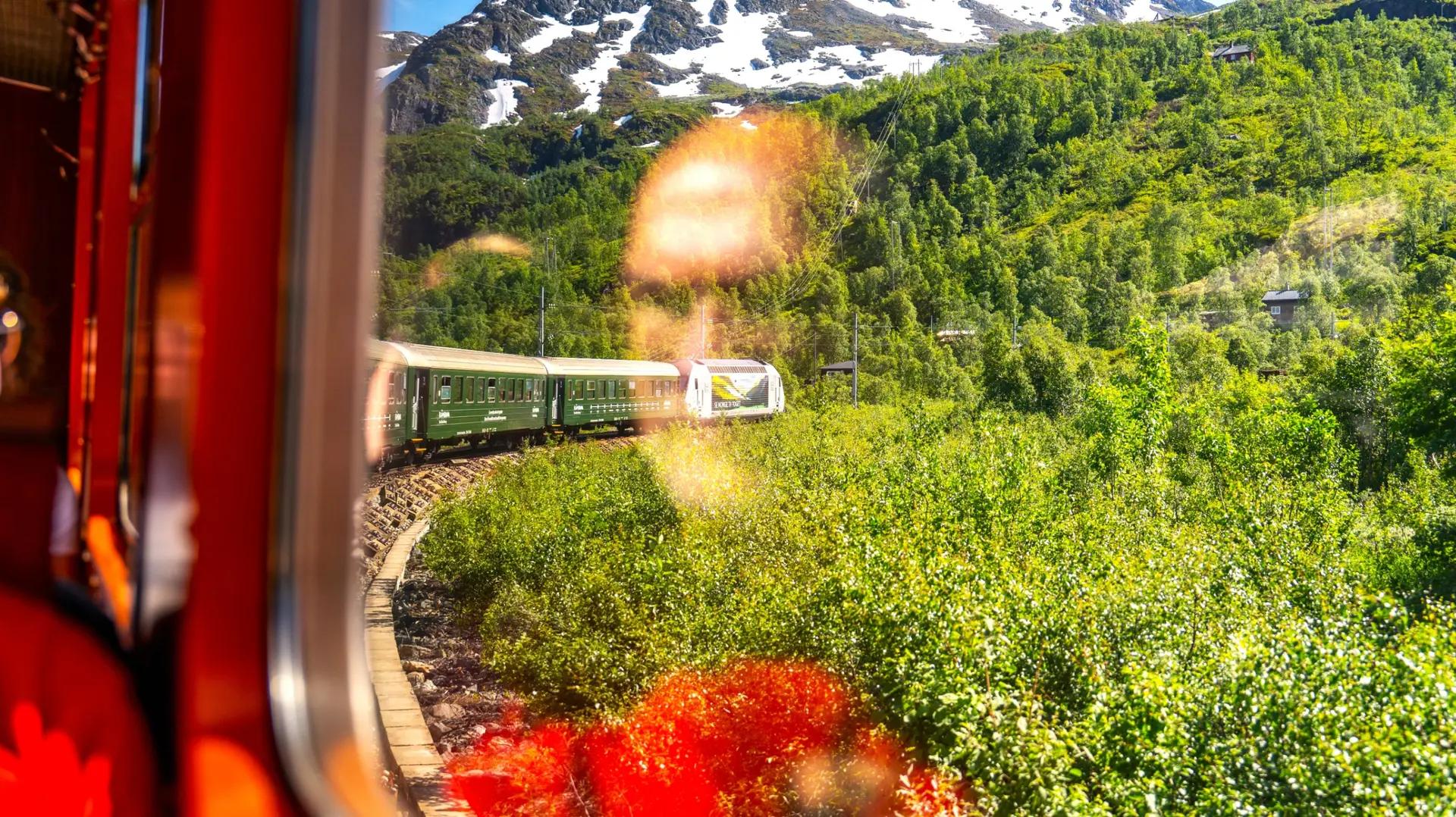
Transports
Oslo-Bergen train, fjord ferries, Widerøe domestic flights, car rental and Hurtigruten coastal cruises.
1 article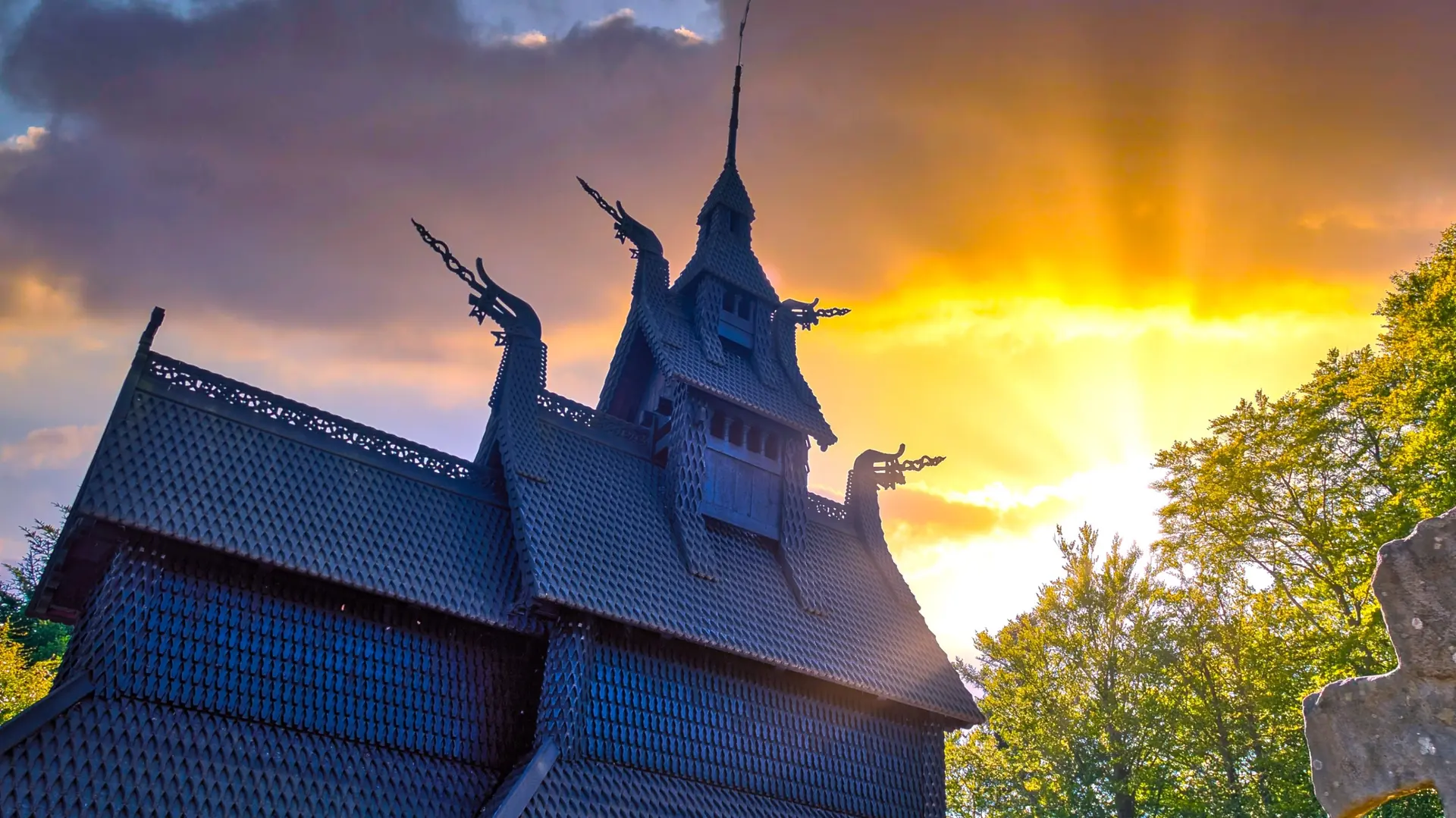
Culture
Allemannsretten, Scandinavian punctuality, technical attire, alcohol at Vinmonopolet and friluftsliv culture.
Useful Tips
Tap water safe to drink everywhere, type F electrical outlets, excellent 4G coverage up to the Arctic Circle, security among Europe's best.
2 articlesAll practical guides
Search and filter among 10 articles
10 of 10 results
Frequently asked questions
The answers to the most frequently asked questions from our travellers.
Norway is not a member of the European Union but is part of the Schengen area. For French, Belgian, Swiss and Luxembourg nationals, no visa is required for a tourist stay of less than 90 days within a 180-day period. A valid national identity card is sufficient, but we recommend a passport, which is simpler in case of connections outside the Schengen area or car rental. For other nationalities, a short-stay Schengen visa can be obtained from the Norwegian consulate or a Schengen country representative, approximately 80 euros, with the application to be submitted 15 days to 3 months before departure. Svalbard has a special regime but remains accessible without an additional visa via a flight from Oslo or Tromsø.
No vaccines are mandatory to enter Norway. Our team simply recommends checking that universal vaccinations are up to date: DTP (diphtheria, tetanus, polio), MMR if born after 1980, and hepatitis B depending on your profile. Vaccination against tick-borne encephalitis can be considered for hikers planning long stays in forests in the south between May and September, but this remains an optional precaution. No risk of malaria, yellow fever, or dengue. Tap water is safe to drink everywhere, even in mountain streams. However, we strongly recommend travel insurance with repatriation assistance: healthcare is excellent but expensive, and evacuation from the Lofoten or Finnmark can be costly.
Norway is among Europe's most expensive destinations. Budget 180 to 280 euros per day and per person excluding international flights on a double basis, for a comfortable trip with 3-4 star hotels, mixed meals and guided activities. As an indication: night in a standard hotel 150 to 220 euros, restaurant meal 30 to 50 euros, beer at a bar 11 euros, coffee 4.50 euros, Oslo-Bergen train 70 to 110 euros depending on booking, car ferry on fjord 25 to 40 euros, northern lights excursion in Tromsø 130 euros. Fuel costs around 1.90 euros per liter. In Svalbard or on a Hurtigruten cruise, plan for 350 to 500 euros per day. Savings can be made on cabin accommodations (hytter) and Rema 1000 supermarkets.
It all depends on your objective. For fjords and hiking, aim for mid-June to mid-September: temperatures between 15 and 22°C, very long days, and open trails. July remains the busiest month. For Northern Lights, the window extends from late September to late March, with a peak in February-March when nights are clear and snow is photogenic. For cross-country skiing and winter activities (snowmobiling, dog sledding), February to April are optimal in Finnmark and the Lofoten. Avoid November and early December, often grey and windy without guaranteed snow in the south. Svalbard has its own calendar: snowmobiling in March-April, cruises from June to August.
Four options combine depending on your itinerary. Train efficiently connects Oslo, Bergen, Trondheim and Bodø, with the Oslo to Bergen line ranking among Europe's most beautiful (7 hours, book early). Widerøe and SAS domestic flights are essential to reach Tromsø, the Lofoten Islands or North Cape, budget 90 to 200 euros per flight. Car rental is necessary for the western fjords, with narrow but well-maintained roads, frequent ferries (no reservation needed except in July) and sparse gas stations in the north. Finally, Hurtigruten and its competitor Havila serve 34 ports from Bergen to Kirkenes, ideal for a scenic return journey. Winter tires are mandatory from November to April depending on regions.
Norway consistently ranks in the world's top 5 safest countries. Crime is very low, even in Oslo at night, and rural areas are lived with open doors. The main risks are nature-related: rapid weather changes in the mountains, waves on the west coasts, black ice on roads from November to March, wild animals (moose on the road at dusk, polar bears in Svalbard where firearms are mandatory outside built-up areas). We recommend always informing a third party of your hiking itinerary and consulting yr.no, Norway's excellent weather service. Water, air and food hygiene are impeccable. Our English-speaking local team remains available 24/7 during your trip if needed.
Ready to travel to in Norway?
Discover our tailor-made itineraries, designed by our local team. Each route adapts to your pace, your preferences and your travel season.
See our toursWe use cookies to improve your experience and measure our site's audience. You can choose what you accept. Learn more.