Complete Norway Guide
Norway stretches 1,750 kilometers from south to north, from the gentle coasts of the Skagerrak to the Arctic cliffs of Finnmark. Our team based in the capital knows this country like a taut thread between four worlds: the glacier-carved fjords of the west, the inland valleys of Østlandet, the Hardangervidda and Dovrefjell plateaus, and the far north of Lapland where the sun doesn't set in June and doesn't rise in December.
Two defining features shape a journey here. First, the verticality of the landscape: at Geiranger or Nærøyfjord, the walls plunge 1,500 meters into deep black waters, and ancient farms cling to suspended terraces. Second, the rhythm of the light seasons: northern lights from late September to March above the Arctic Circle, midnight sun from May to July, reliable snow from January to March in the Lofoten and Finnmark.
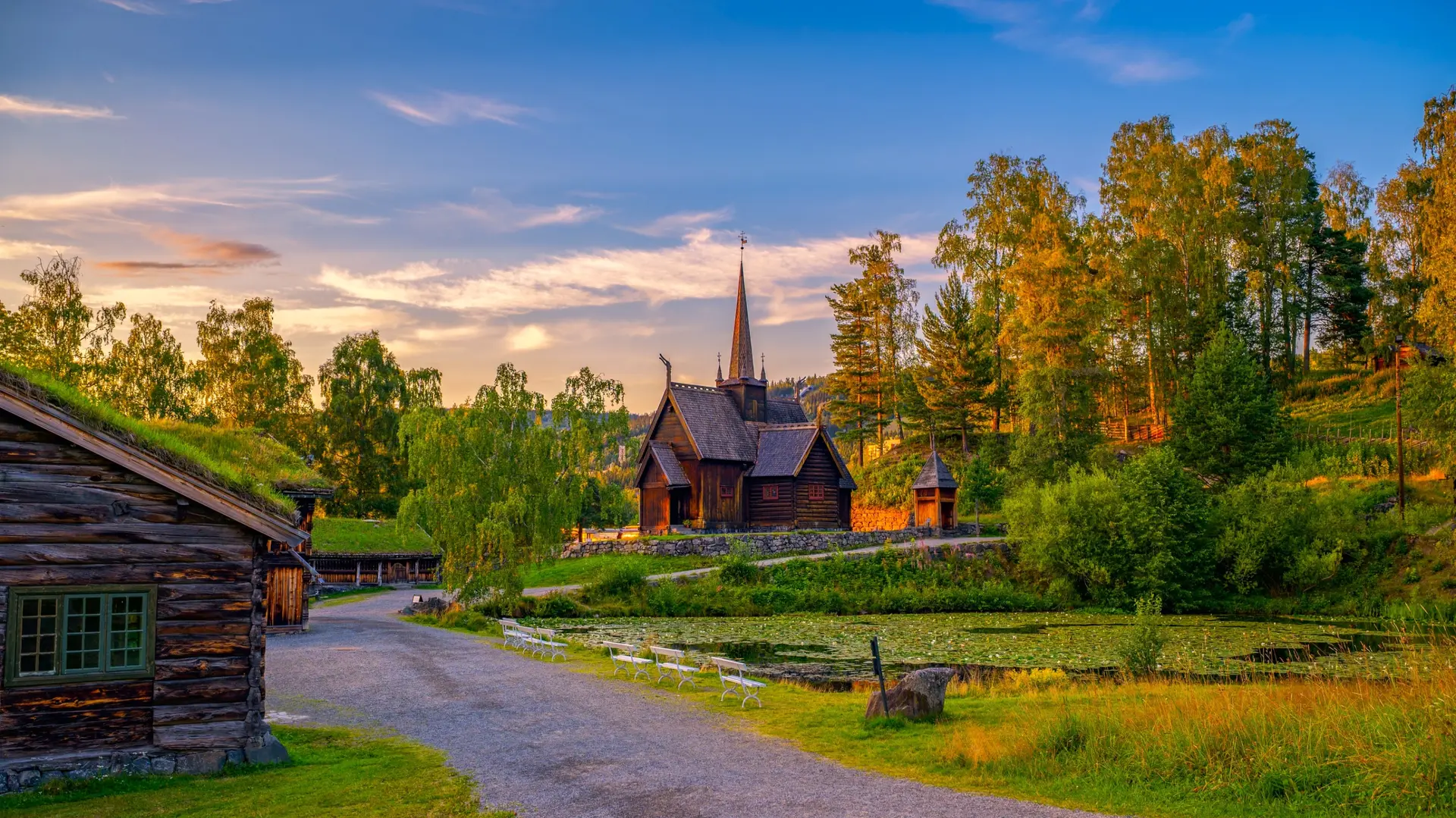
Culture lives in the wooden stave churches standing since the 13th century, Hanseatic cities like Bergen, and Sami presence beyond Tromsø. For a first trip, plan 10 to 14 days combining Oslo, the Bergen railway, two fjords and an Arctic stopover. For northern lights hunting or cross-country skiing, head north in winter.
The regions of Norway
Each region has its own personality: climate, landscapes, pace of life and ways of traveling. Our local team helps you choose the combination that suits you.
Oslo and Østlandet
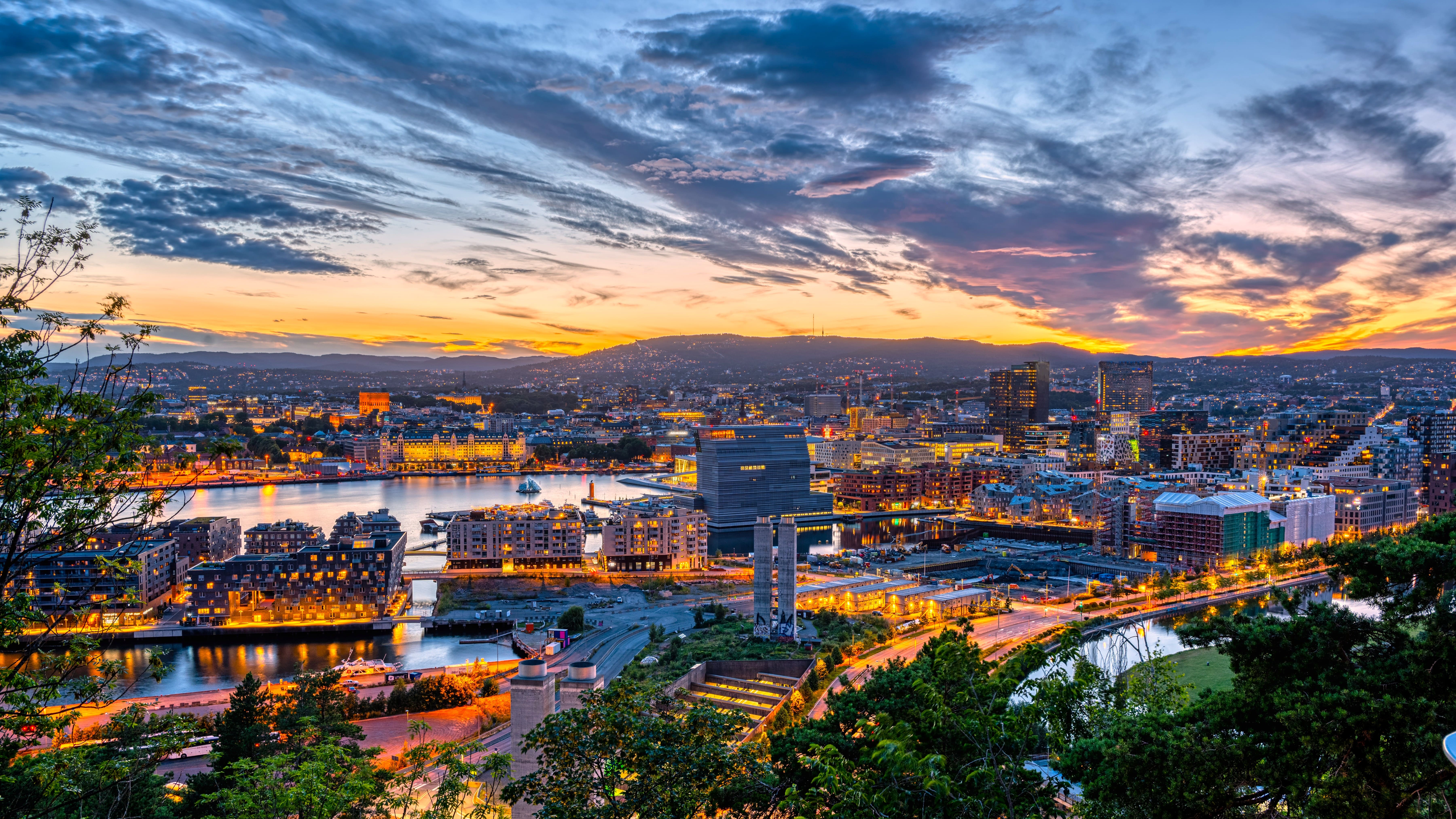
Around Oslo, the Nordmarka forests, Telemark lakes and wooden villages of Røros stretch to the northeast. The capital spans just a few kilometers between the Opera and the Bygdøy Peninsula, home to the Viking and Fram museums. Two hours' drive away, Heddal stave church and the Numedal farms reveal rural Norvège. Expect mild summers around 22°C and winters at -10°C with reliable snow from December to March. This region often serves as a gateway before the legendary train to Bergen, a seven-hour crossing of the Hardangervidda plateau.
Western Fjords
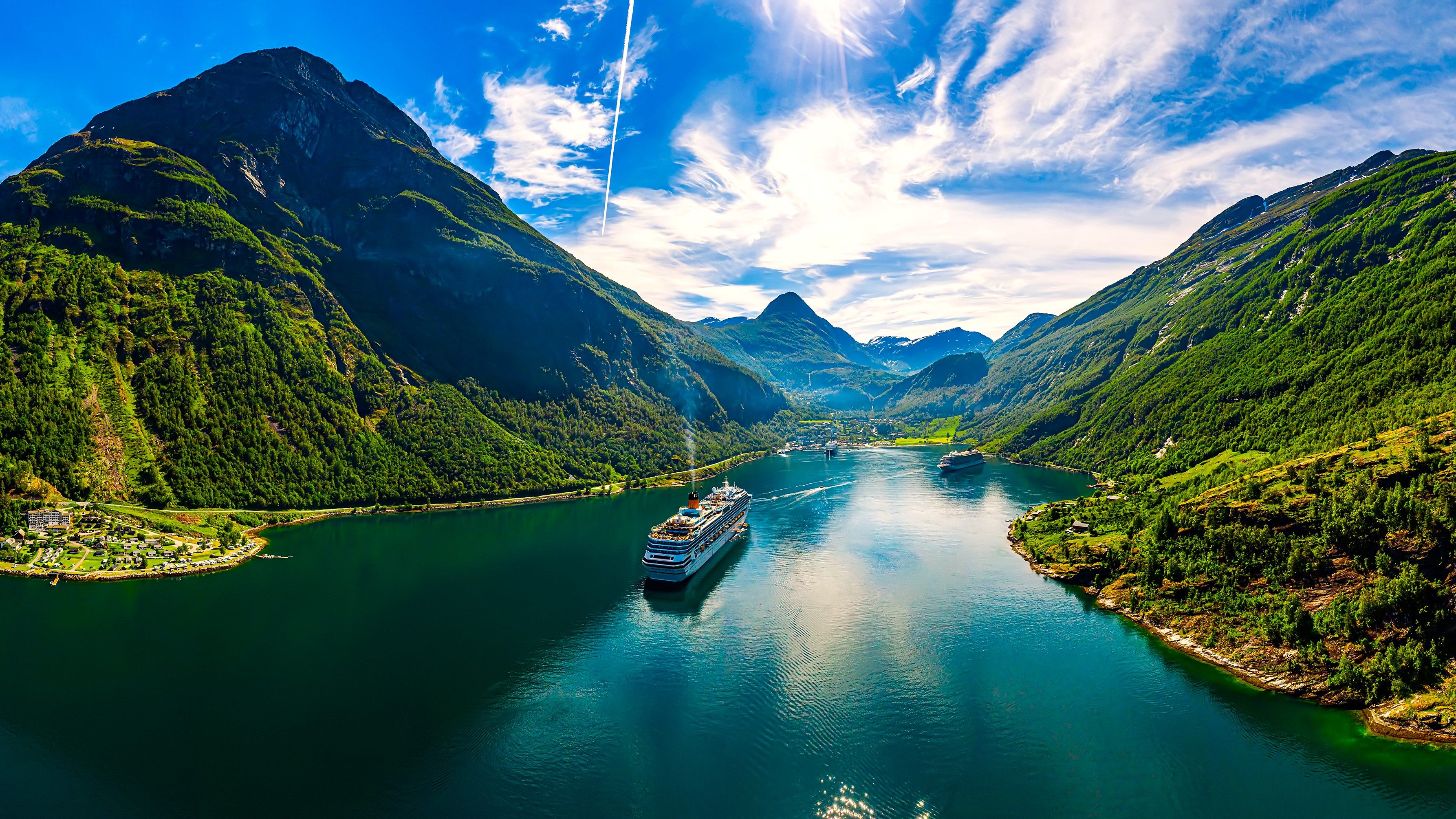
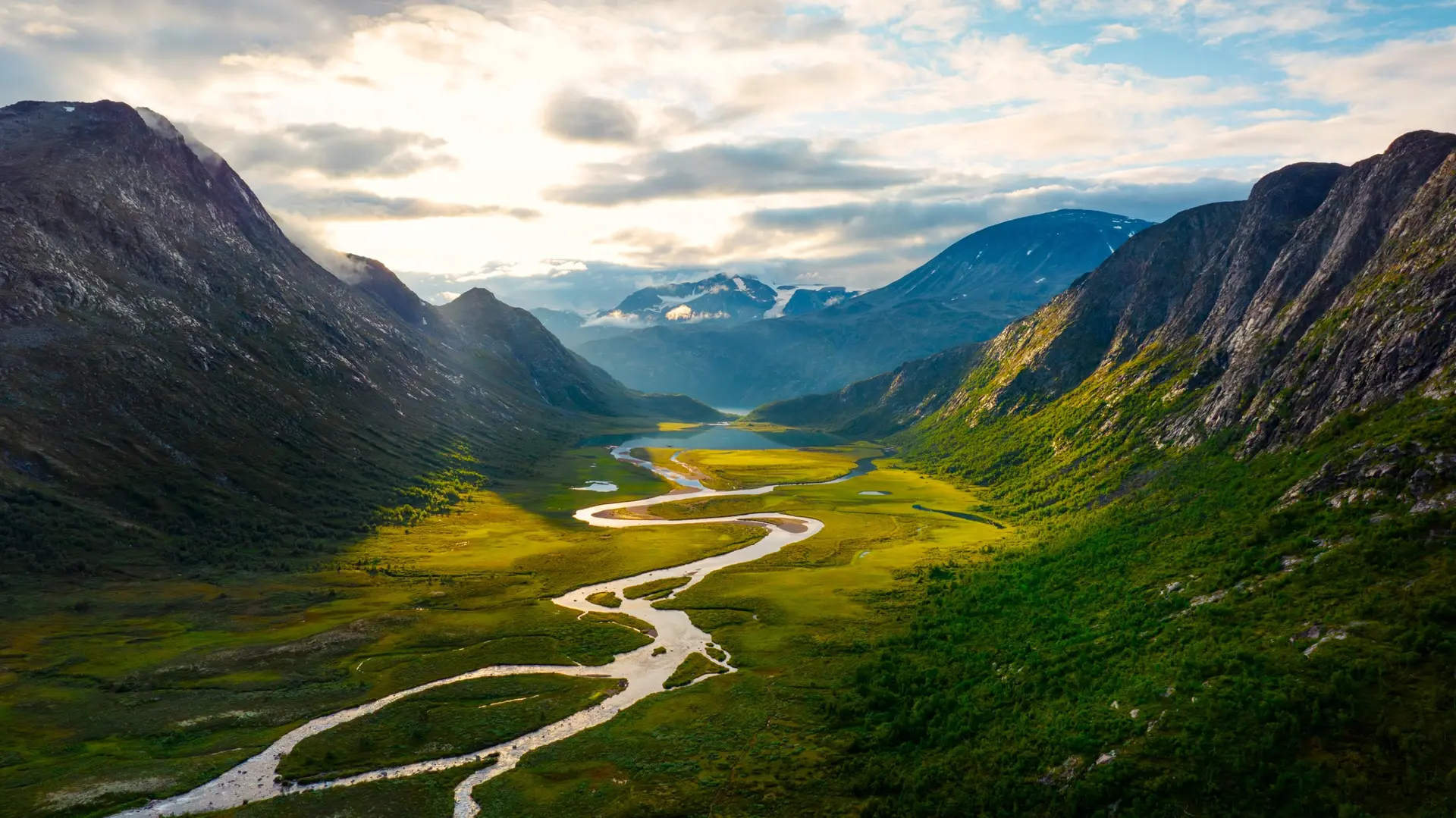
From Bergen to Ålesund runs the country's scenic heart. The Sognefjord penetrates 200 kilometers inland, the Nærøyfjord narrows to 250 meters between walls of 1,700, and the Geirangerfjord unfolds its Seven Sisters waterfalls. The villages of Flåm, Undredal, and Balestrand still live from fishing and dairy goats. Rain falls 200 days a year in Bergen, but June and September offer the best windows. Hiking to Trolltunga (10 hours round-trip), cruising the Hardangerfjord in May under blooming apple trees, or the Flåm railway with its 20 tunnels.
Trøndelag and Central Coast
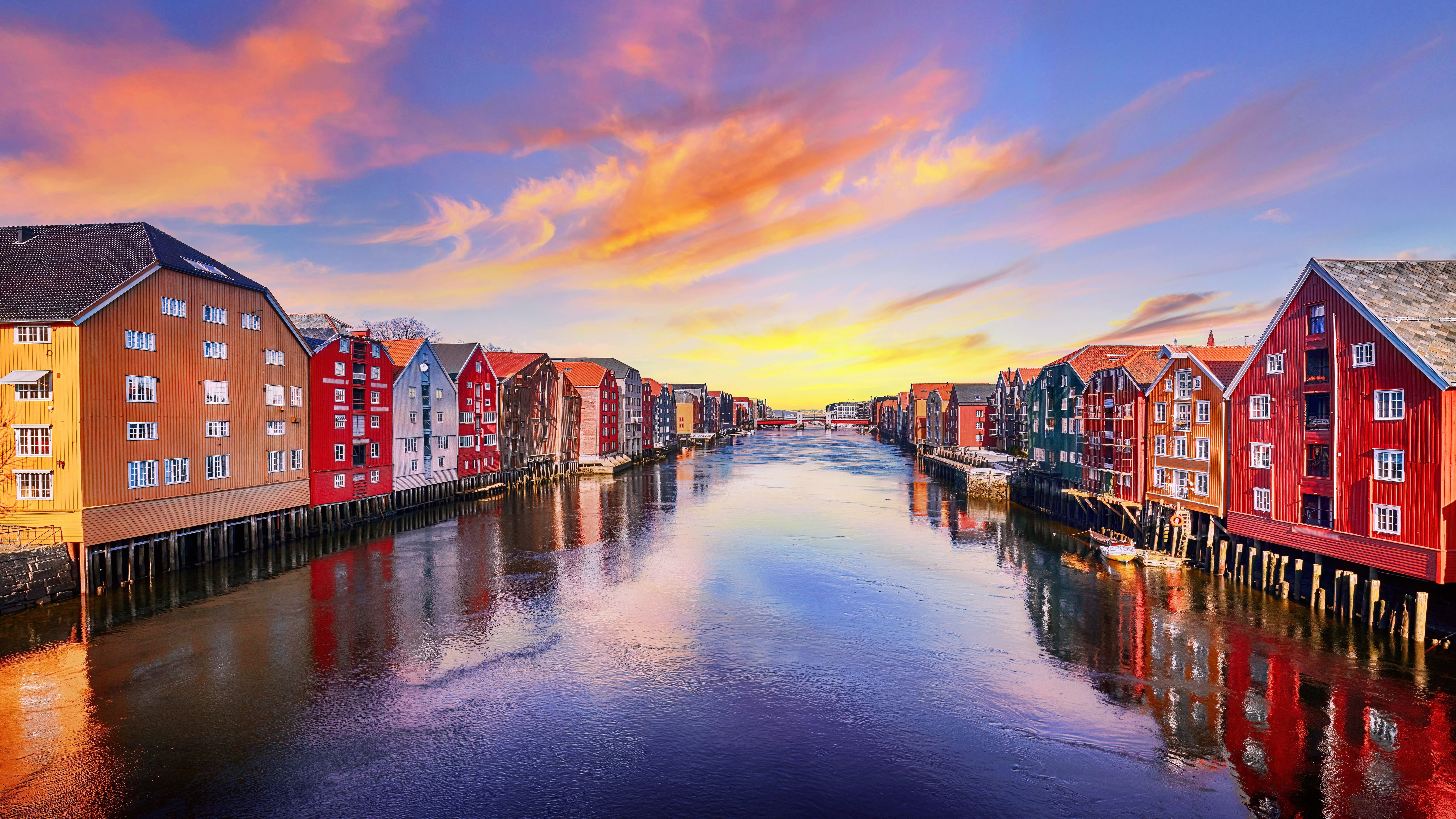
Trondheim, a former medieval capital, preserves Nidaros Cathedral where kings were crowned. To the south, the ochre wooden houses of Røros, a UNESCO World Heritage site, bear witness to three centuries of copper mining at 630 meters altitude, with winters reaching -25°C. The islands of Hitra and Frøya offer rugged, uncrowded coastlines, and Dovrefjell National Park is home to Europe's last musk oxen, observable on foot during guided safaris. An ideal region to break up the long journey northward and discover seaside farm inns.
Lofoten and Vesterålen
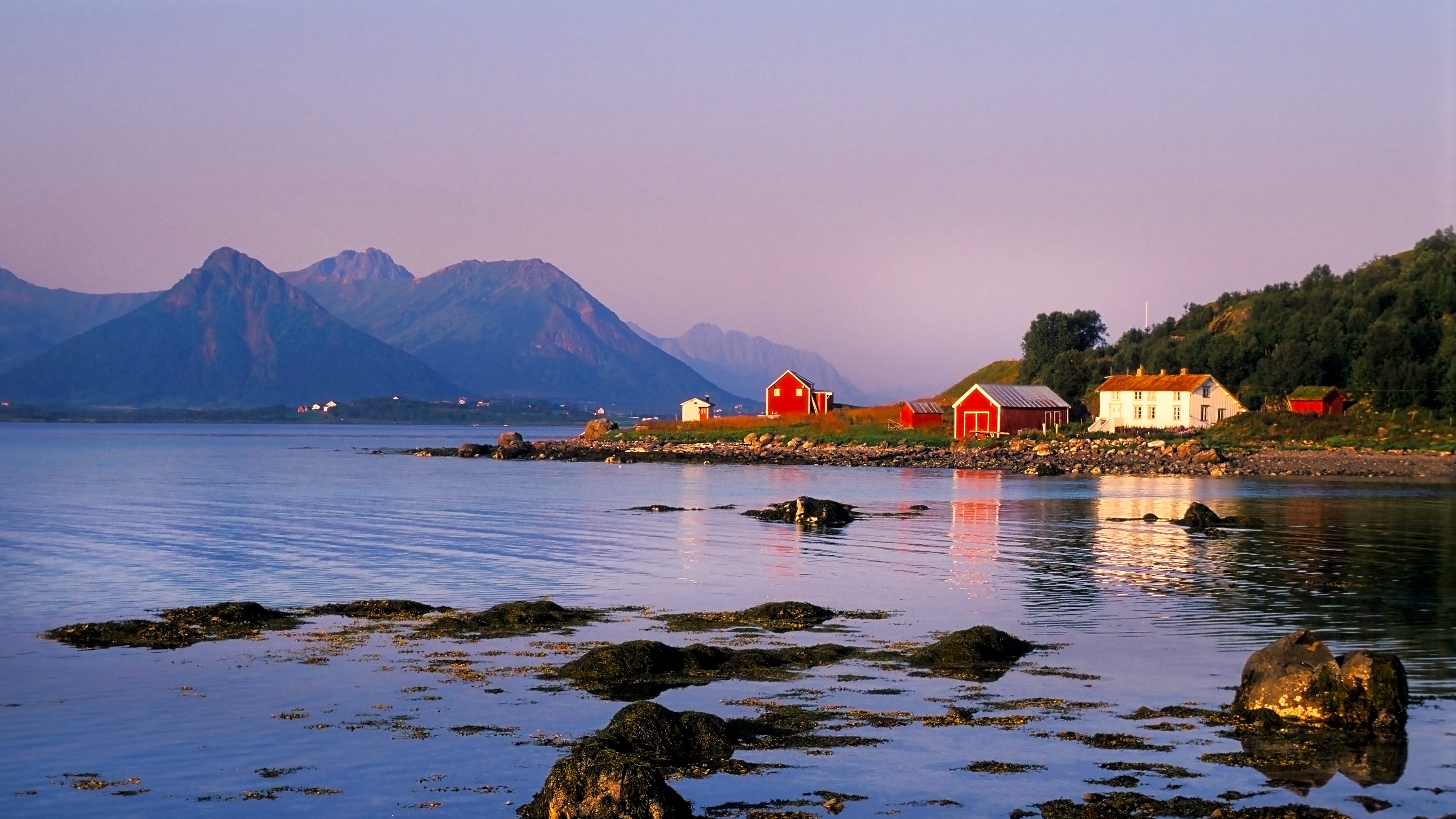
The Lofoten archipelago rises with its granite peaks directly from the sea, between 800 and 1,200 meters. The villages of Reine, Henningsvær and Å thrive on dried cod laid on wooden racks between February and April. White beaches of Haukland and Kvalvika, hikes on Reinebringen, and nights in rorbu, these fishermen's cabins on stilts converted into accommodations. Winter is surprisingly mild for the latitude (around -2°C thanks to the Gulf Stream), with frequent northern lights from November to February. In summer, the midnight sun illuminates the sea 24 hours a day from late May to mid-July.
Tromsø and Finnmark
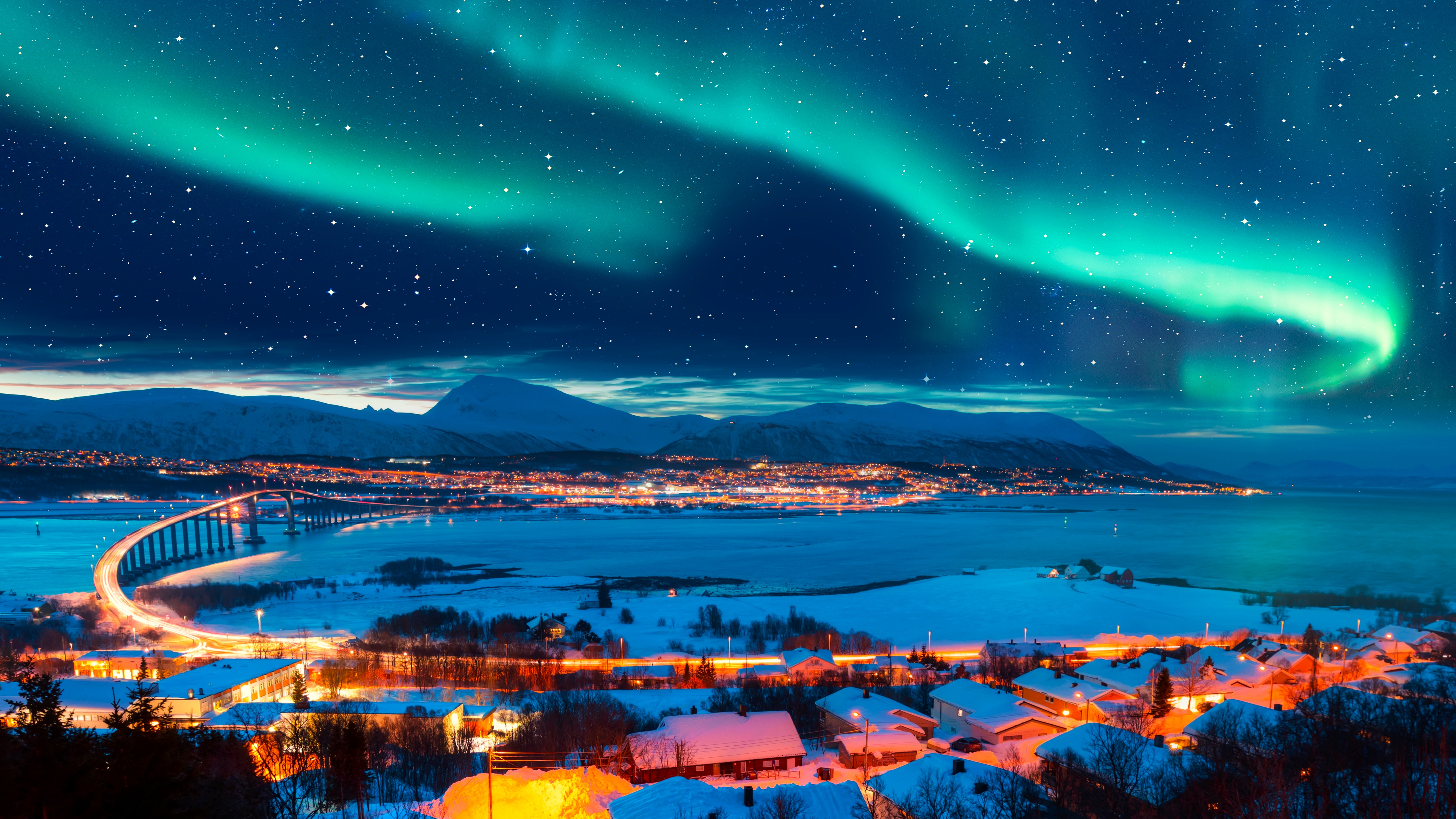
Beyond the Arctic Circle, Tromsø serves as a base for chasing the Northern Lights from late September to March. The city has 75,000 inhabitants, an Arctic cathedral, and daily boat departures to humpback whales in Skjervøy from November to January. Further north, Finnmark opens onto the Sami tundra: Karasjok is home to the Sami Parliament, Kautokeino to reindeer herds, and Honningsvåg leads to the North Cape at 71° latitude. Winter temperatures range from -15°C to -25°C, with continuous daylight from mid-May to late July. Remember to wear heavy-duty thermal suits provided on-site for snowmobile and dog sledding excursions.
Svalbard
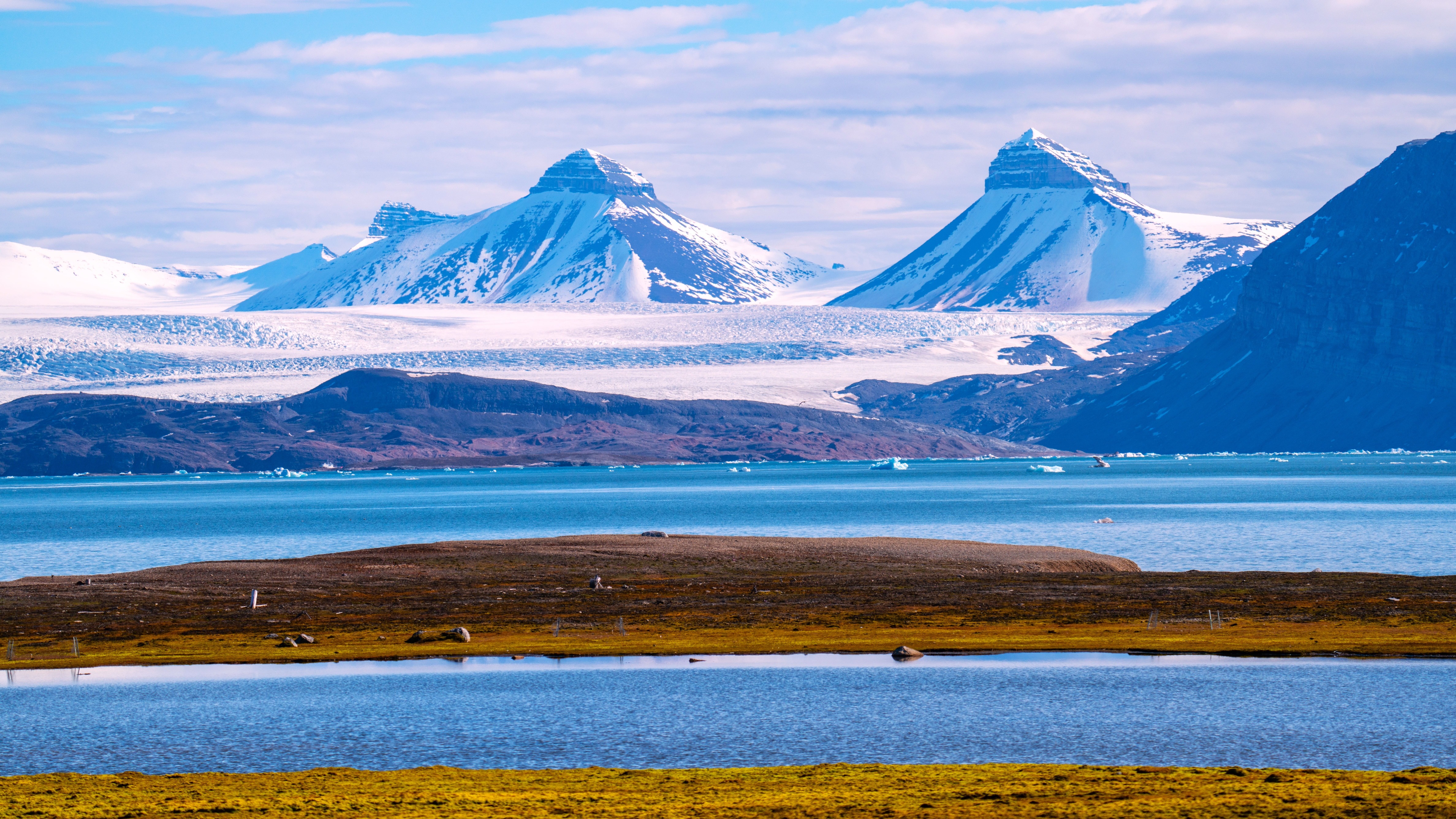
At 1,300 kilometers north of the continent, the Svalbard archipelago remains one of the rare inhabited territories beyond the 78th parallel. Longyearbyen, a former mining town, is home to 2,400 residents and as many polar bears across the archipelago. Snowmobile outings on glaciers in March–April, expedition cruises toward the 80th north in June–August to observe walruses, bearded seals and bears from the deck. Complete polar night from mid-November to late January, midnight sun from mid-April to late August. A demanding destination in terms of budget and logistics, best combined with a continental Arctic stopover.
Explore by theme
Unique experiences tailored to every traveler.
Culture & Heritage
Temples, musées, sites historiques
Nature & Landscapes
Parcs nationaux, montagnes, forêts
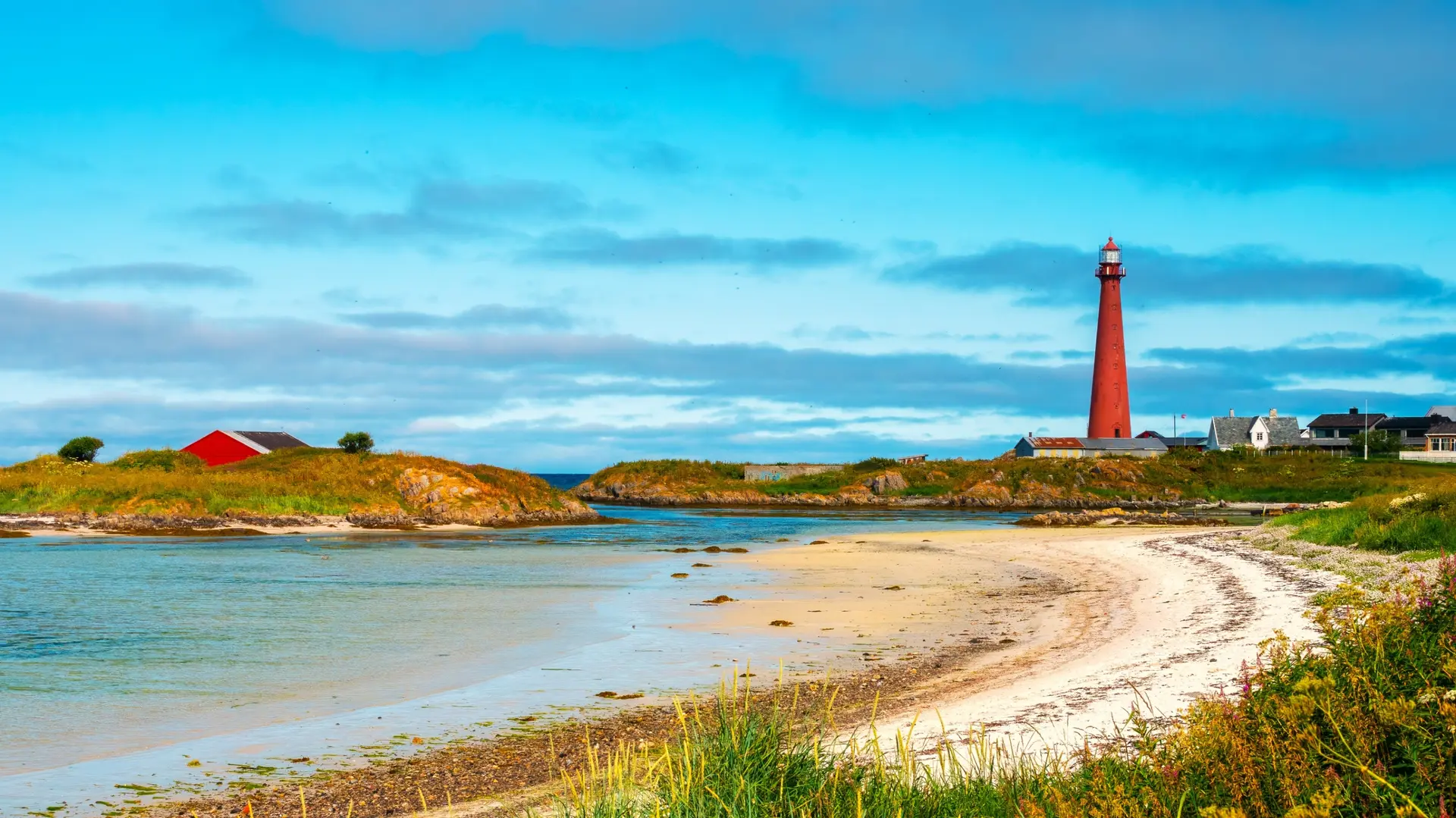
Sea & Beaches
Littoral, îles, sports nautiques
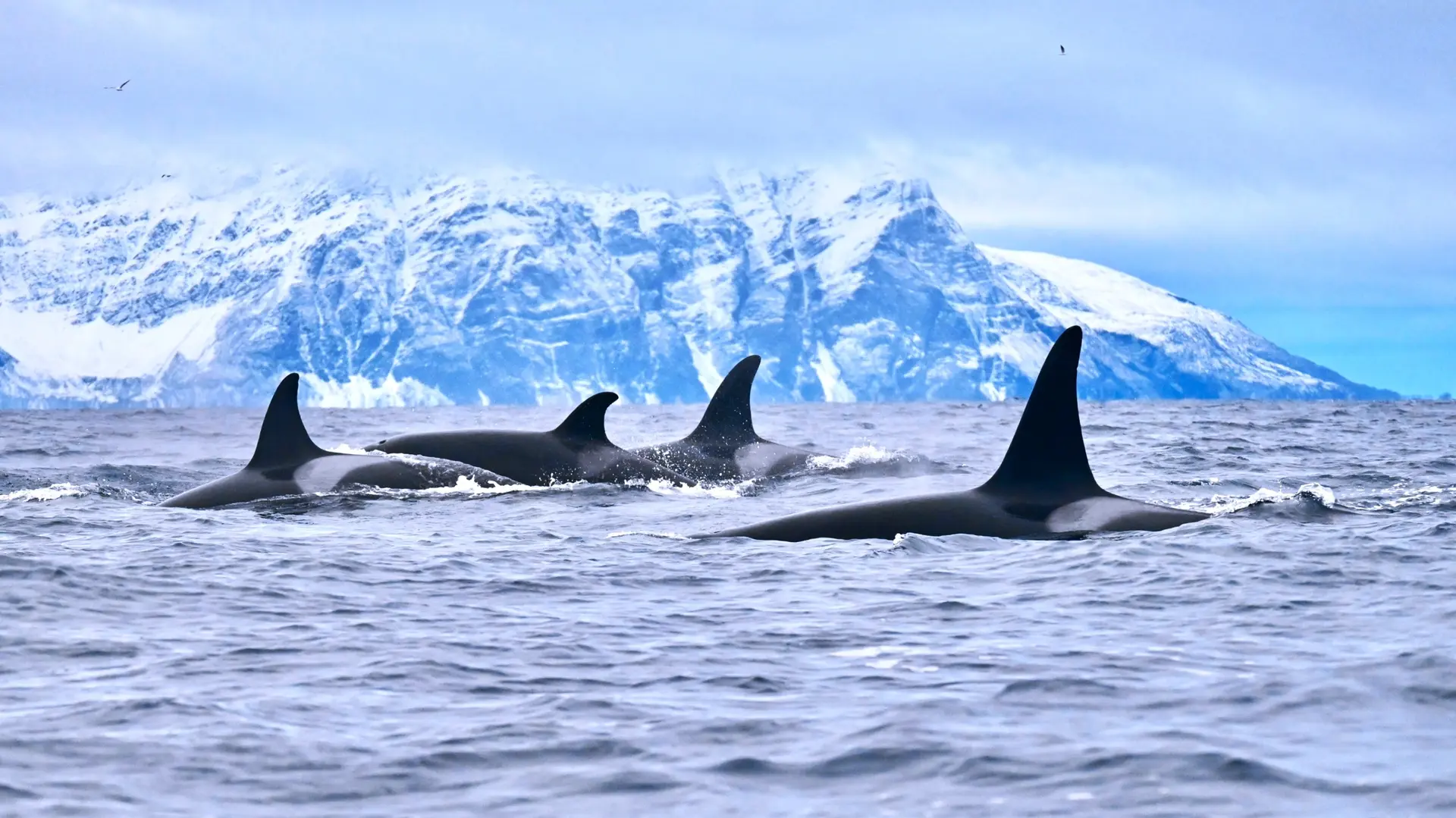
Wildlife & Biodiversity
Observation animale, sanctuaires, réserves
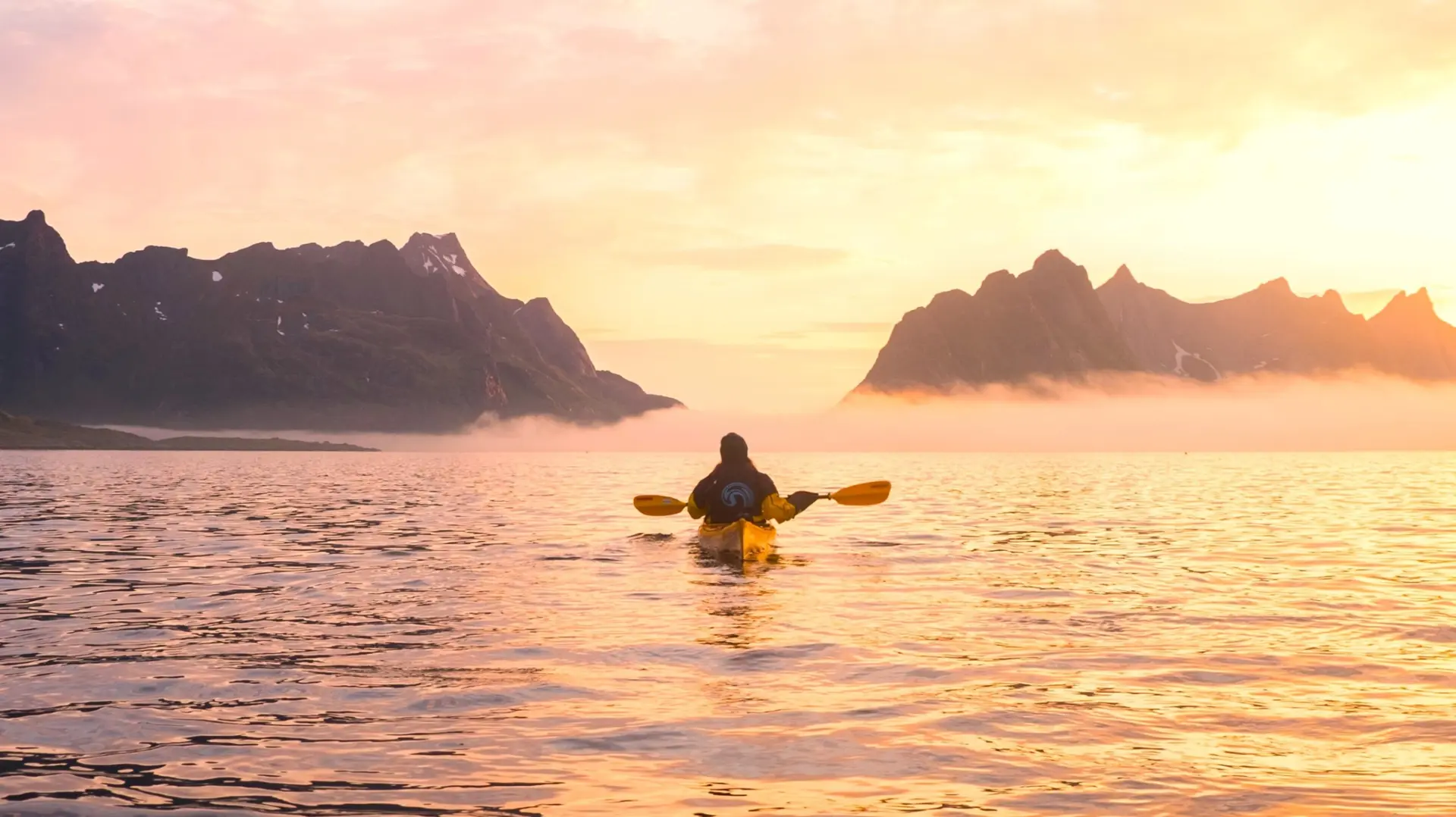
Activities & Adventure
Trek, kayak, escalade, sports outdoor

Gastronomy
Cuisine locale, marchés, cours de cuisine
We use cookies to improve your experience and measure our site's audience. You can choose what you accept. Learn more.