Getting Around Norway Without a Car
Traveling in Norvège without a car is not a limitation, but a genuine opportunity. Thanks to a dense network of trains, buses and ferries, it's easy to traverse the country while admiring its s
Traveling in Norvège without a car is not a limitation, but a genuine opportunity. Thanks to a dense network of trains, buses and ferries, it's easy to traverse the country while admiring its spectacular landscapes. From Bergen to Flåm and beyond to Tromsø, certain itineraries have become iconic and demonstrate how, here, the journey itself is an integral part of the experience.
Traveling by Train
Taking the train in Norvège is to immerse yourself directly in Nordic landscapes. The railway network, modern and punctual, connects major cities while unfolding exceptional panoramas before passengers. Among the must-do lines, the Bergensbanen links Oslo to Bergen by crossing mountains, fjords and the vast Hardangervidda plateau. Shorter but equally spectacular, the Flåmsbana plunges into steep valleys and traces vertiginous waterfalls. Further north, the Dovrebanen between Oslo and Trondheim crosses high plateaus where one can sometimes spot musk oxen, while the Nordlandsbanen pushes adventure to the Arctic Circle, offering a glimpse of Norvège's most wild regions.
Getting Around by Bus
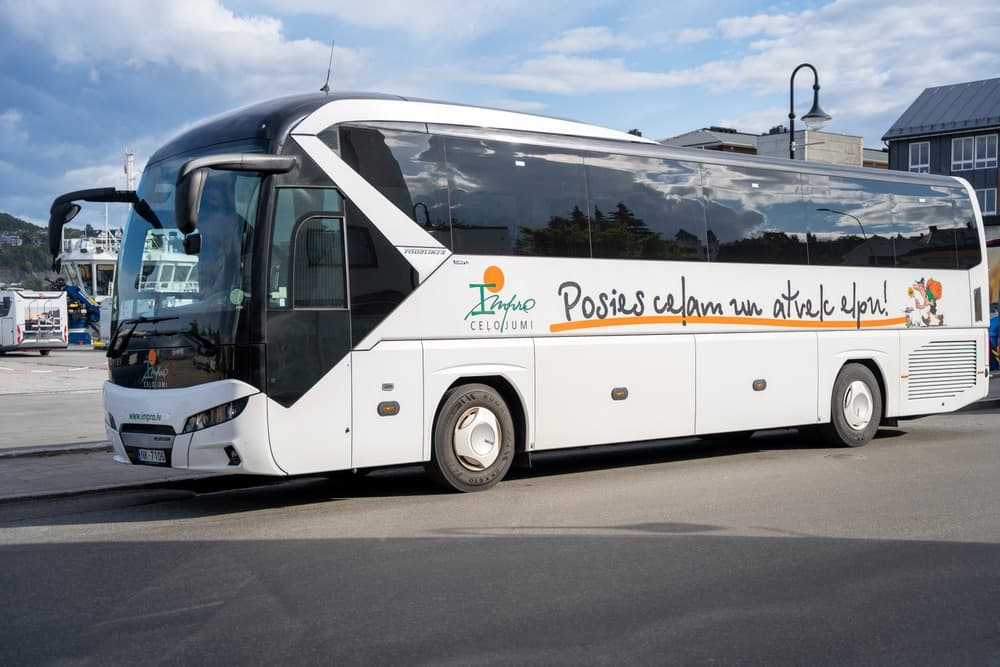
Bus travel perfectly complements the train, especially for reaching towns or villages not served by rail. Express coaches crisscross the country, connecting both airports and rural areas. Vy Buss, the main national operator, covers both urban connections and long-distance journeys, while Nor-Way Bussekspress offers inter-city routes passing through spectacular landscapes. It's a flexible and accessible means of transport, particularly for reaching the most isolated corners. For example, a journey to Tromsø from Oslo often requires combining bus and train, proof of how well the networks complement each other.
Exploring the Coast by Ferry and Boat
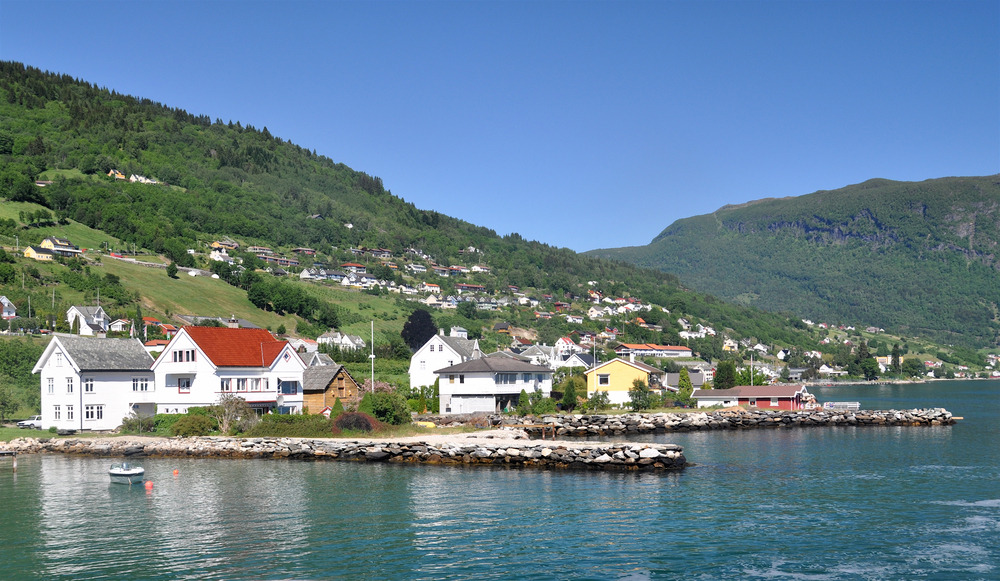
With thousands of kilometers of coastline and countless fjords, Norvège lives by the rhythm of the sea. Ferries are part of daily life and often the only link between certain islands and isolated villages. They ensure regular connections year-round and are as practical for locals as for travelers. More than mere transportation, the legendary Hurtigruten – nicknamed the "Coastal Express" – embodies this maritime culture: over twelve days, it connects Bergen to Kirkenes with stops at 34 ports, combining local lifeline and panoramic cruise. Faster, express boats (hurtigbåt) connect coastal cities like Tromsø and Harstad, offering an efficient alternative to land transport.
Popular Routes Without a Car
Traveling without a car allows you to fully enjoy the landscapes, combining multiple modes of transport. Among the most popular itineraries:
- Oslo – Bergen via Flåm: a train journey among the most beautiful in the world, before descending to Myrdal to take the Flåmsbana toward the fjord.
- Bergen – Flåm: a journey blending rail and ferry on the Sognefjord, the longest in the country, for an unforgettable experience.
- Tromsø and the North: the Arctic is discovered through a clever mix of buses, domestic flights and express boats, ideal for exploring remote islands and villages.
- Slow travel: by combining train, bus and ferry, you adopt a gentle pace that allows you to savor each landscape and each stage of the journey.
Practical Tips for Traveling Without a Car
- Book in advance: panoramic trains and tourist ferries fill up quickly, especially in summer.
- Rely on local apps: Entur, Vy or Nor-Way provide real-time schedules and allow you to purchase tickets online.
- Travel light: with frequent connections, practical luggage makes travel smoother.
- Prioritize scenic routes: here, the journey counts as much as the destination.