Copenhagen
Copenhagen
The cycling capital and cradle of New Nordic Cuisine, Copenhagen blends royal heritage, Scandinavian design, and the hygge way of life on the shores of the Øresund.
Copenhagen is a modern and innovative capital, recognized as the birthplace of design and sustainability. A true symbol of the future, the city stands out for its abundant green spaces and cycling culture. With its iconic monuments, refined cuisine, and majestic castles, Copenhagen offers a wealth of unique experiences, making it one of the most captivating cities in Scandinavia, at the crossroads between Denmark, Sweden, and Norvège.
Copenhagen Through the Ages
Founded in the 11th century, Copenhagen quickly became a strategic commercial port, influenced by the Hanseatic League. In 1167, Bishop Absalon builds a castle there, marking the beginning of its development. By the 14th century, the city becomes the capital and a major economic center, prospering under the reign of Christian IV in the 17th century. After suffering devastating fires and bombardments in 1807, Copenhagen recovers, strengthening over the centuries to become today a model of innovation.
Copenhagen Today
Today, Copenhagen merges historical heritage with modernity. The city, rebuilt after the destruction of World War II, is now recognized for its cutting-edge urban planning, green spaces, and sustainable approach. Copenhagen is a place where tradition and innovation coexist harmoniously, offering exceptional quality of life and a dynamic cultural scene. Its green policies and modern architecture make it an agreeable capital to live in, recognized worldwide.
What to Do in Copenhagen?
Copenhagen overflows with varied activities, blending culture, history, and leisure. Here are some must-sees of Denmark's capital:
- Tivoli Gardens: This park, opened in 1843, combines relaxation areas with attractions. In the evening, the lights create a magical and enchanting atmosphere across the entire park.
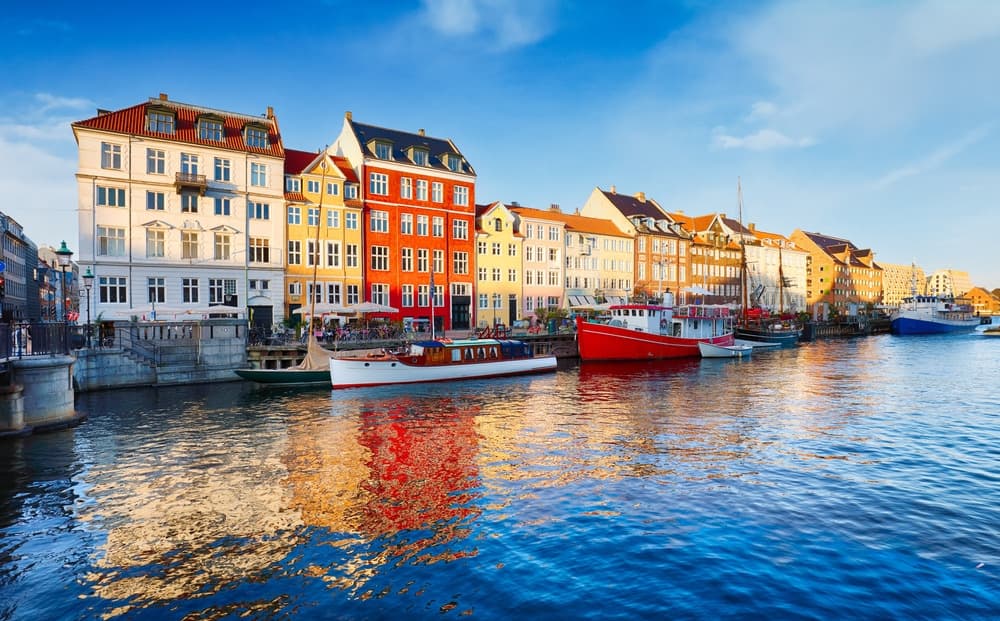
- Nyhavn District: Stroll along this emblematic canal, lined with brightly colored houses and historic boats, while enjoying the lively atmosphere of surrounding restaurants and cafés.
- The Little Mermaid: This iconic statue, inspired by the famous Hans Christian Andersen tale, is an unmissable symbol of Copenhagen. Go early in the morning to enjoy the calm before the rush of visitors.
- Rosenborg Castle: This Renaissance-style castle, housing the Danish crown jewels, is surrounded by splendid gardens, ideal for a moment of relaxation in the heart of the city.
- Christiania: This self-governed district is known for its alternative atmosphere and unique artwork.
- Christiansborg Palace: Seat of the Danish Parliament, this palace offers guided tours of its royal halls and architecture.
- Amalienborg Palace: Official residence of the Danish royal family, with the changing of the guard every day at noon. Discover royal history by visiting its museums.
- Statens Museum for Kunst: Explore a vast collection ranging from old masters to contemporary artists.
- Rundetårn (Round Tower): A historic monument offering panoramic views of the city from its summit.
- Torvehallerne Market: An indoor market where you can taste local specialties such as smørrebrød, the open-faced sandwiches typical of Denmark.
- Danish Design Museum: Immerse yourself in the history of Scandinavian design, famous for its simple and elegant aesthetics.
- Vesterbro: A trendy district perfect for exploring nightlife with its bars, restaurants, and unique boutiques.
- Royal Library: An architectural gem in black granite, housing an impressive collection of books and historical manuscripts.
What to Do Around Copenhagen?
Close to Copenhagen, several fascinating places await to enrich your stay:
- Louisiana Museum of Modern Art: Located a few kilometers from the city, this museum is a must-see for modern art enthusiasts, with exhibitions in a spectacular seaside setting.
- Superkilen Park: A vibrant and colorful space celebrating Copenhagen's cultural diversity, with design elements from around the world. Ideal for photographers and skaters.
- Strolling Through Nyboder and Its Yellow Houses: A quiet historic neighborhood, perfect for a peaceful walk, away from the hustle and bustle.
- Nørrebro District: Another vibrant neighborhood, with its multicultural atmosphere, unique shops, and green spaces.
- Relaxing at Kastellet: This star-shaped citadel, surrounded by moats and parks, offers an ideal place for a peaceful stroll, with beautiful views of the city.
- Visit Frederiksberg District: A neighborhood with charming parks, perfect for an outdoor walk.
When to Visit?
The best time to visit Copenhagen is between June and September, when temperatures range from 15 to 20°C, ideal for exploring the city. If you prefer to avoid crowds while enjoying pleasant temperatures, May and October are also good options. However, between November and March, temperatures are colder and rainier, with risks of snow. While winter is colder and conducive to winter sports, these seasons offer a unique way to discover the city from a different angle.
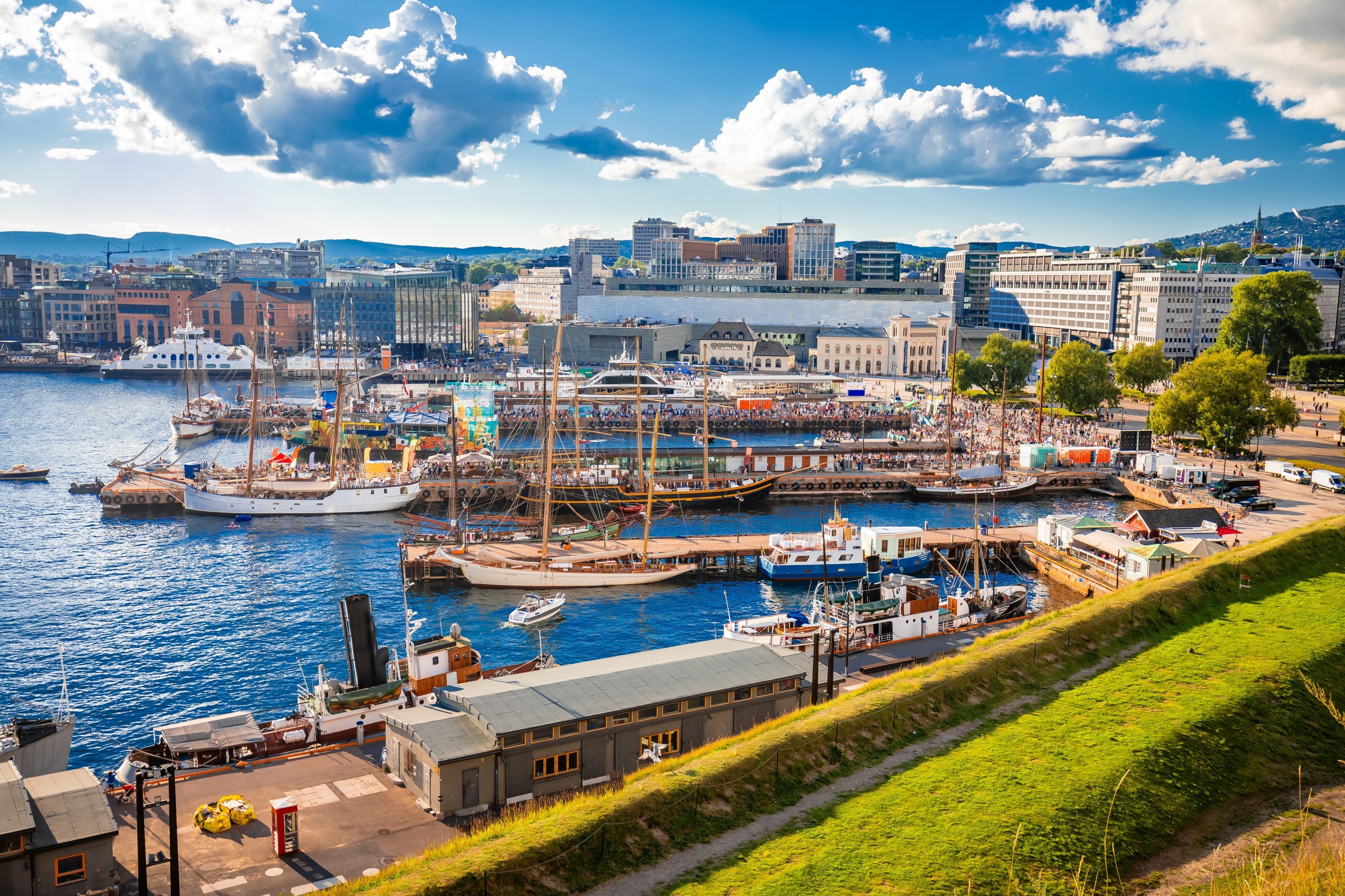
Airplane: Copenhagen Airport, located 8 km from the city center, is well-served by international flights, notably with SAS. Frequent connections also exist to other Nordic capitals, including Oslo in Norvège, which facilitates travel between the two countries.
Train: Copenhagen is accessible by train from major cities in Denmark, as well as from Sweden and Germany, with a well-developed network.
Boat: Copenhagen's port is a departure point for cruises, with ferries connecting several destinations, including Oslo in Norvège, Swinoujscie, and the Swedish island of Ven.
Car: The Øresund Bridge connects Copenhagen to Malmö in Sweden, facilitating car access.
Public Transportation: Copenhagen has a well-organized public transportation network, including metro, trains (S-tog), buses, and water buses.
Metro and S-tog: The metro efficiently serves the city center and peripheral neighborhoods, while the S-tog network connects the city to suburbs.
Buses: An extensive bus network covers Copenhagen and its surroundings, allowing you to move around easily.
Water Buses: Three water bus lines operate on Copenhagen's harbor.
Bicycle: Copenhagen is an ideal city for cyclists, with numerous cycling paths.
Want to discover this destination?
Our local advisors design your tailor-made trip.