Western Fjords
From Bergen to Ålesund, 600 kilometres of UNESCO-listed fjords, villages of 80 inhabitants, goat cheese made in copper cauldrons, and trains climbing 866 metres through 20 tunnels.
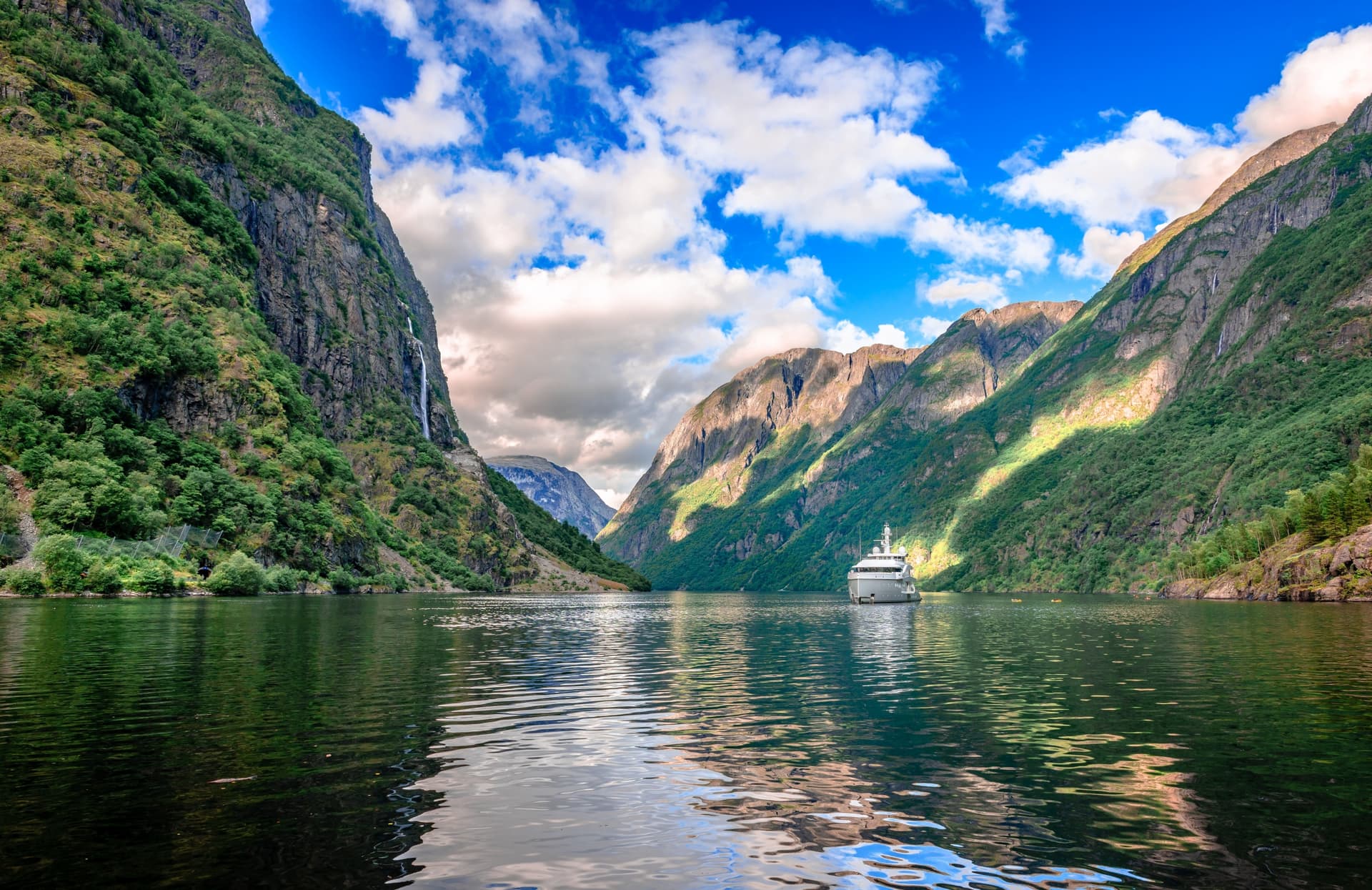
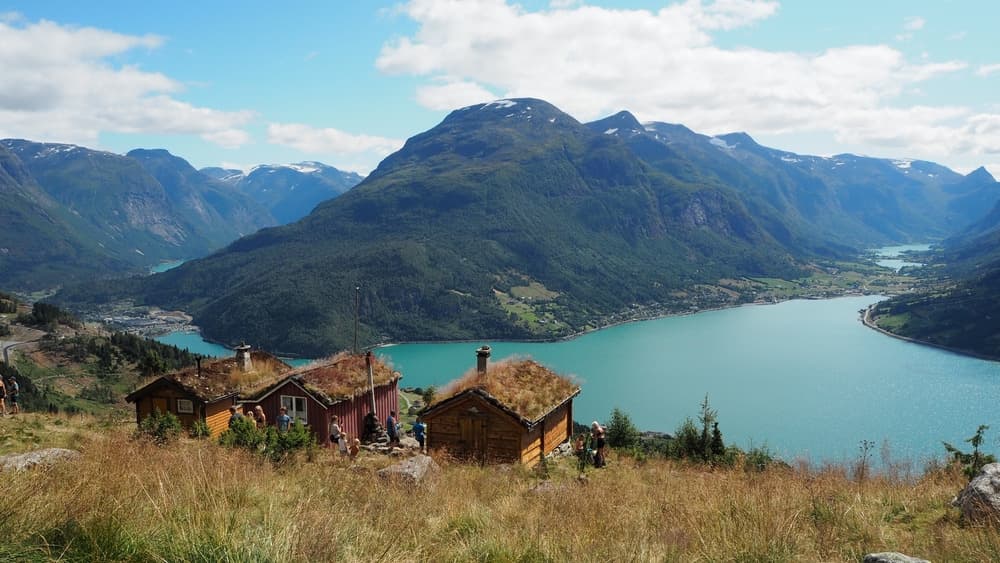
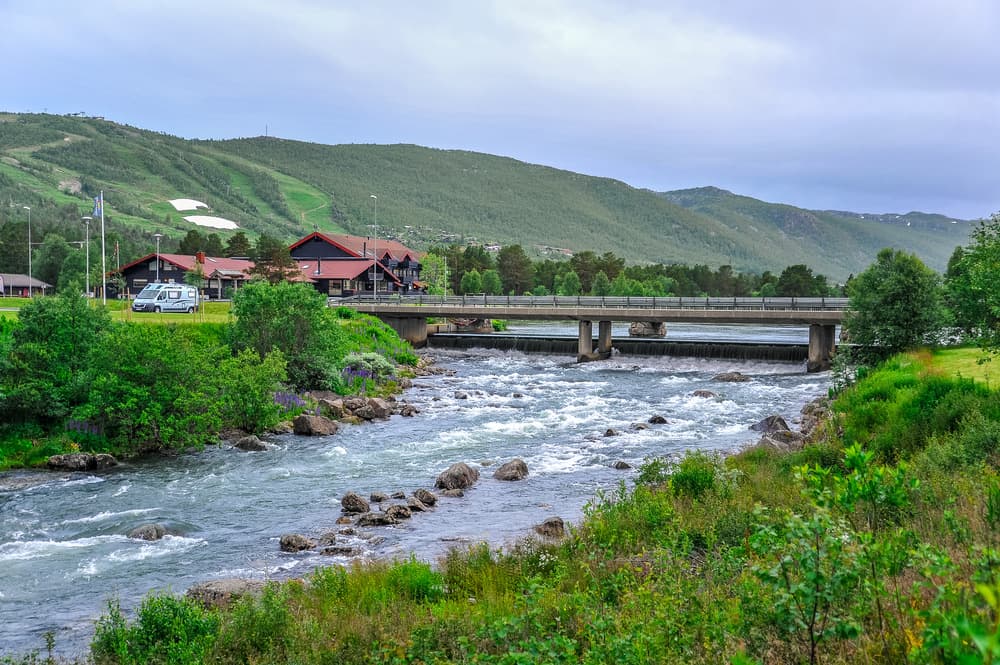
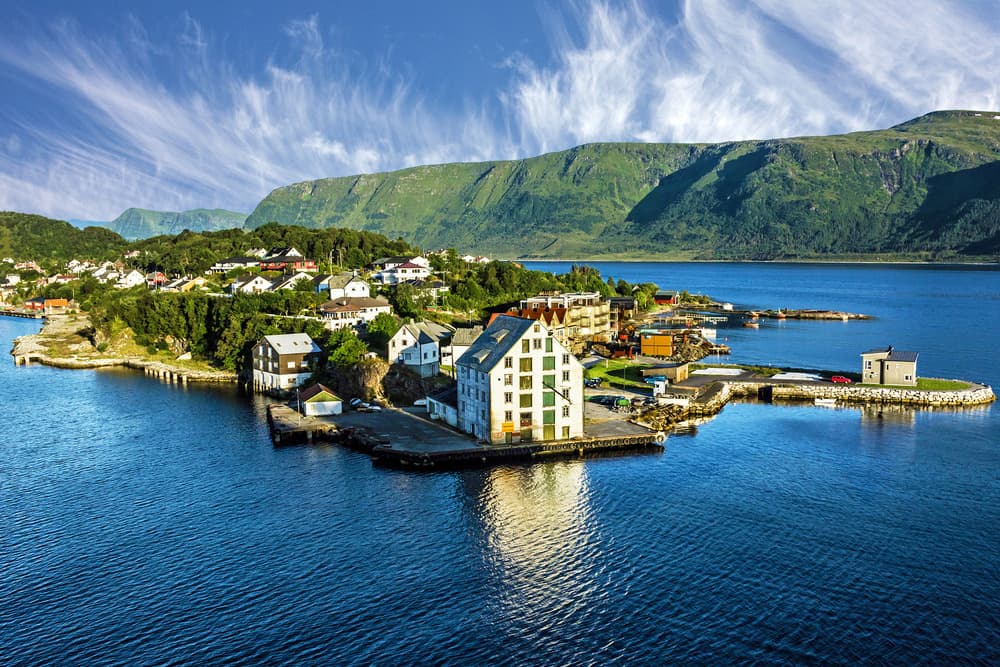
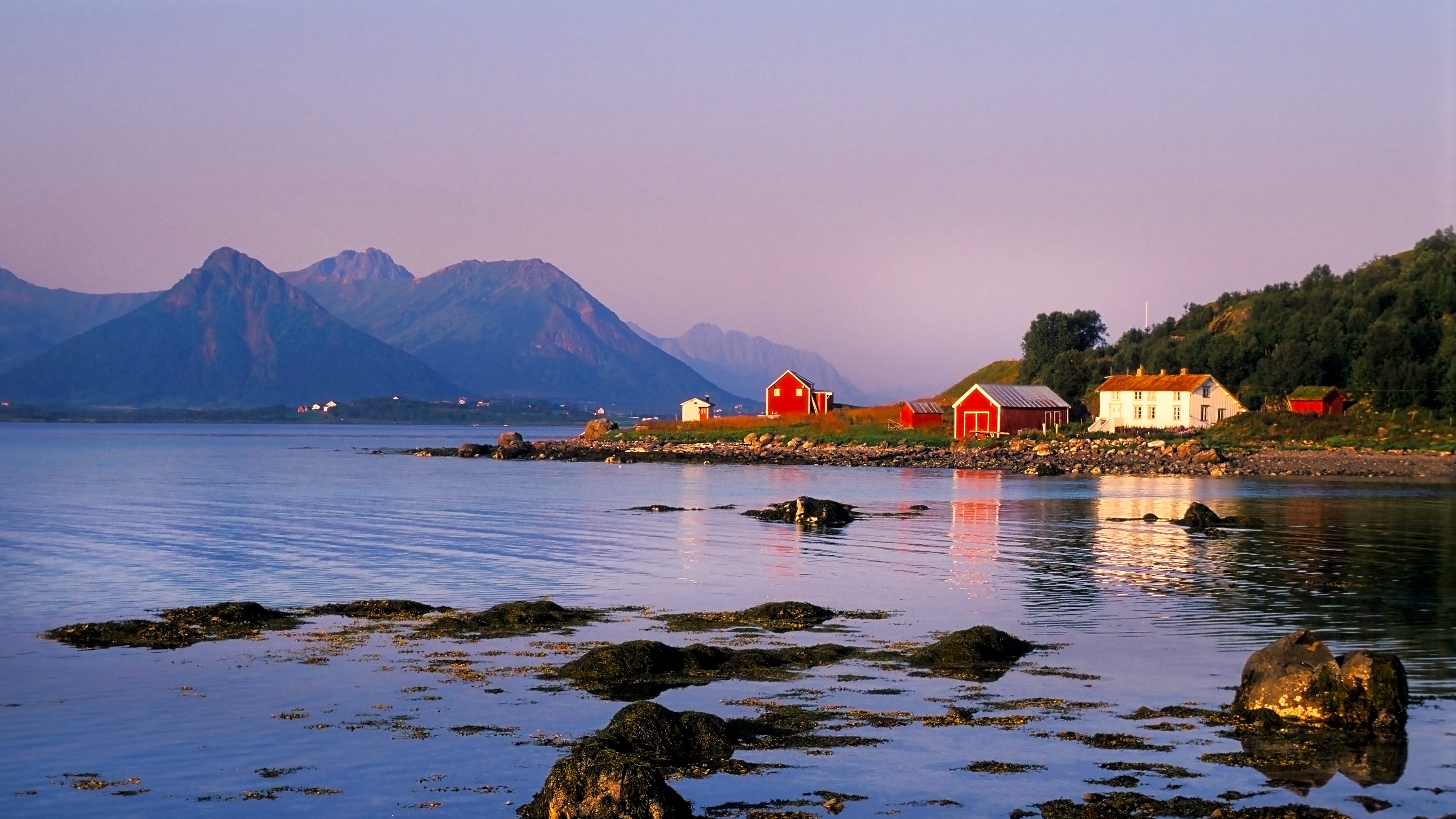
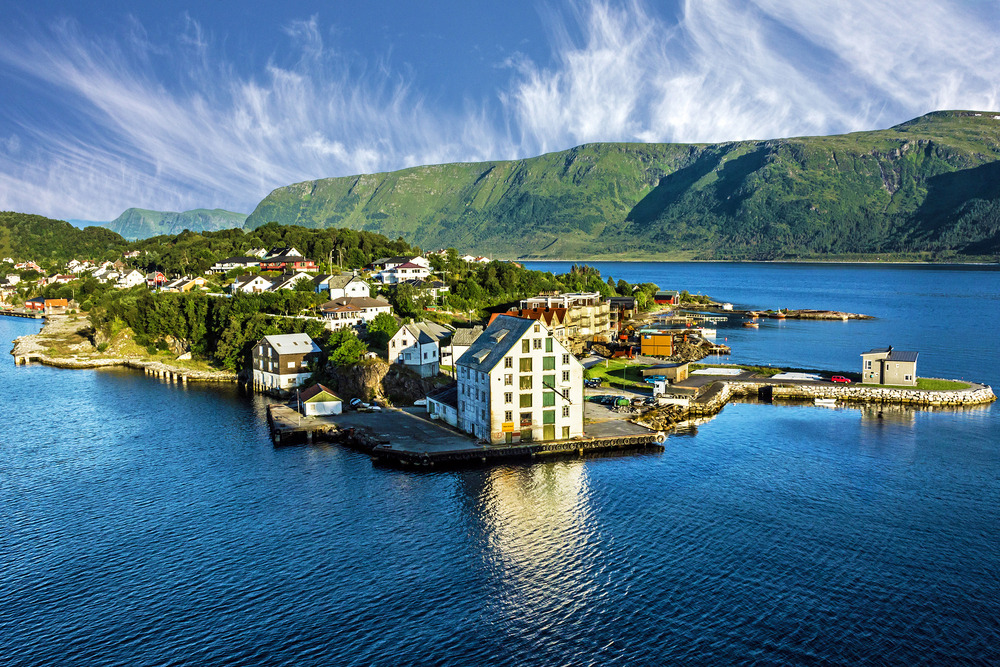
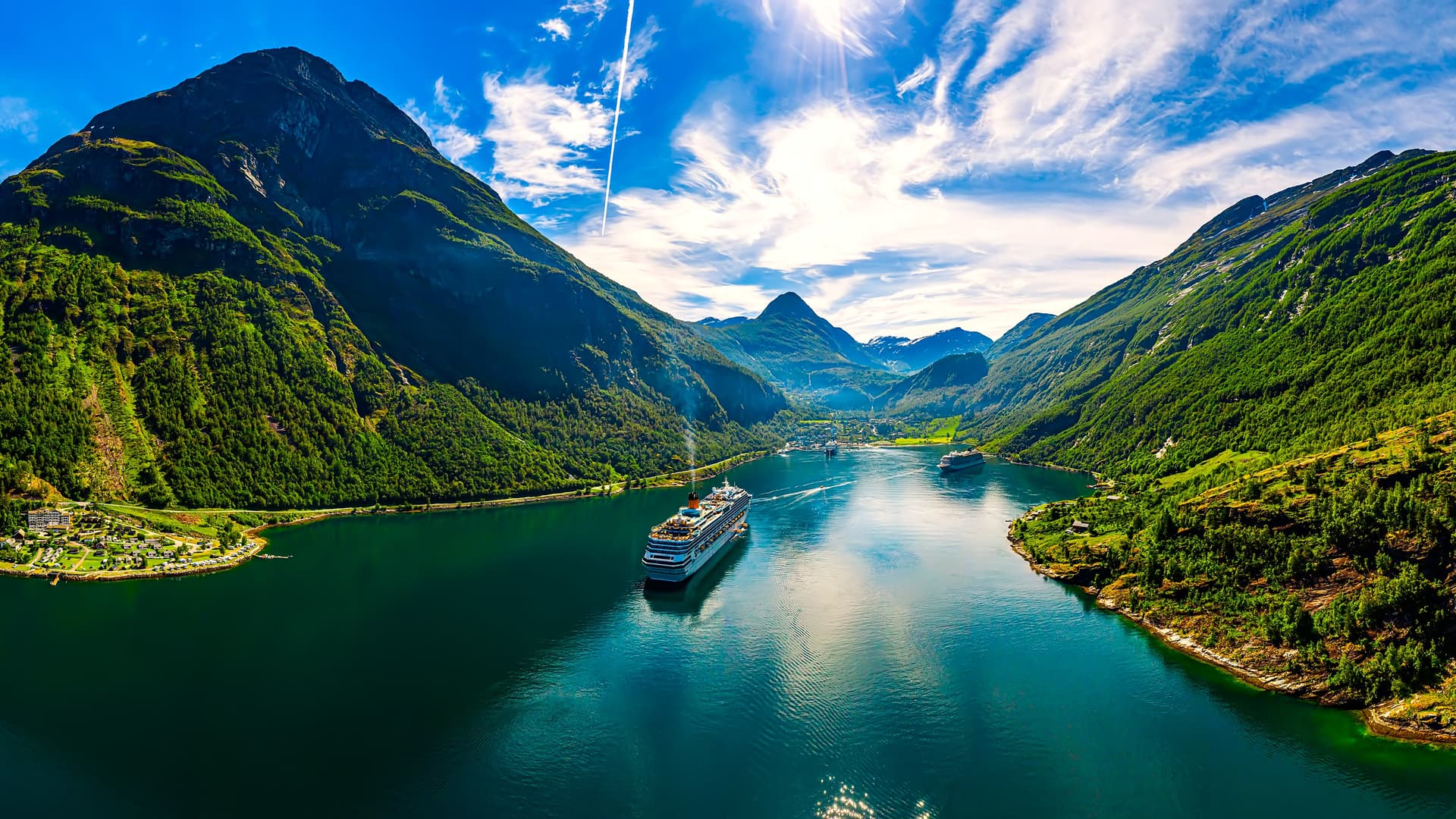
The Western Fjords stretch across 600 kilometres of coastline between Stavanger in the south and Ålesund in the north. Here Norwegian geology reveals itself most clearly: glacial valleys carved 10,000 years ago, submerged by the sea, penetrating sometimes up to 200 kilometres inland. The Sognefjord holds the record, with water depths exceeding 1,300 metres beneath walls that rise above 1,700 metres. The Nærøyfjord, its narrowest arm, narrows to 250 metres wide over 17 kilometres, UNESCO-listed since 2005 alongside the Geirangerfjord further north.
Bergen serves as the historic gateway. Founded in 1070 and Norway's capital until the 14th century, it thrived on dried cod exported across Europe by the German Hanseatic League. The Bryggen wharf, with its ochre wooden warehouses lined since the 15th century, still bears witness to that era. The city remains rainy, with about 200 days of precipitation annually and 2,250 mm cumulative, three times that of Paris. We always warn our travellers: in Bergen, you gear up for rain and make peace with it.
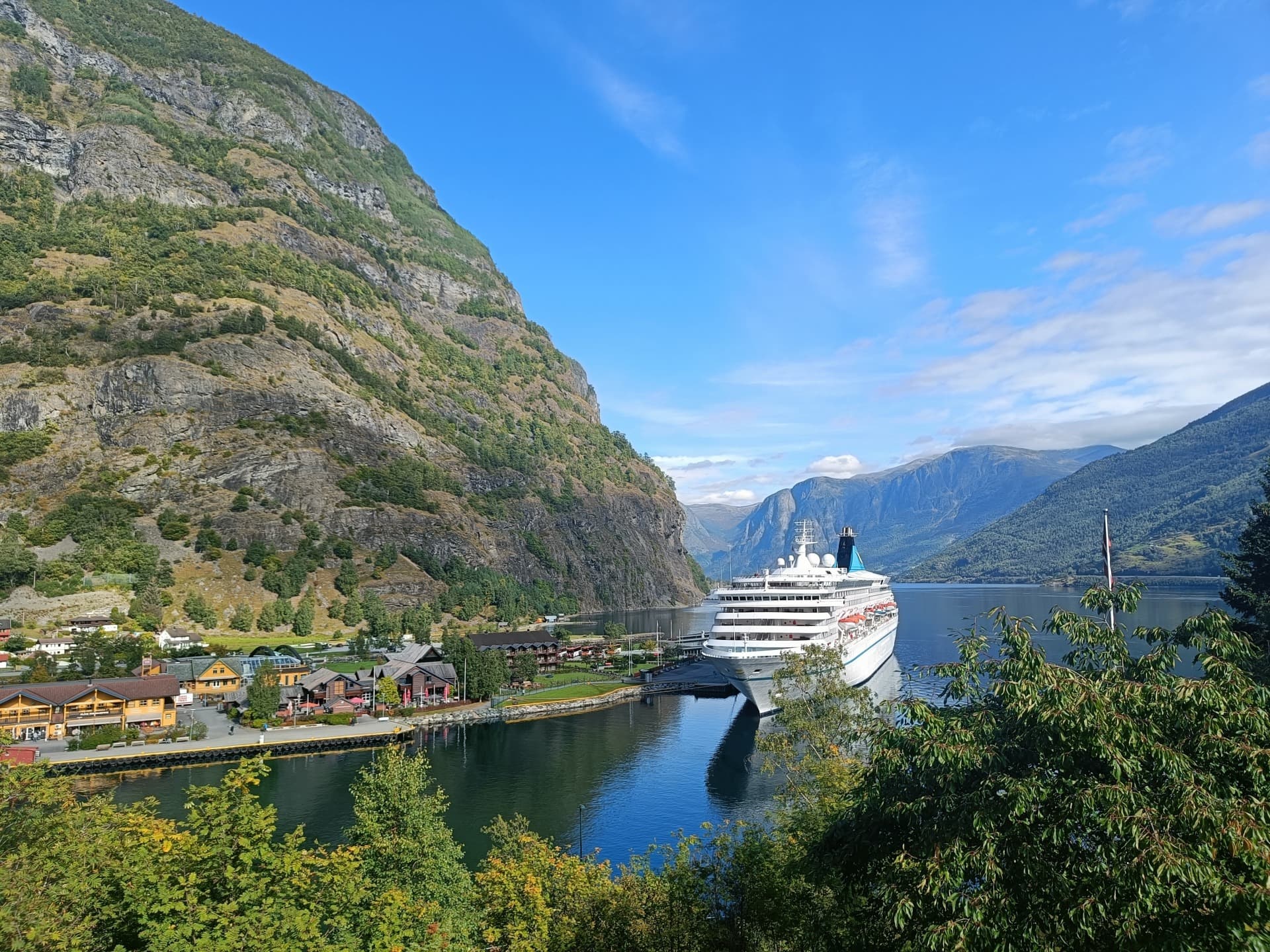
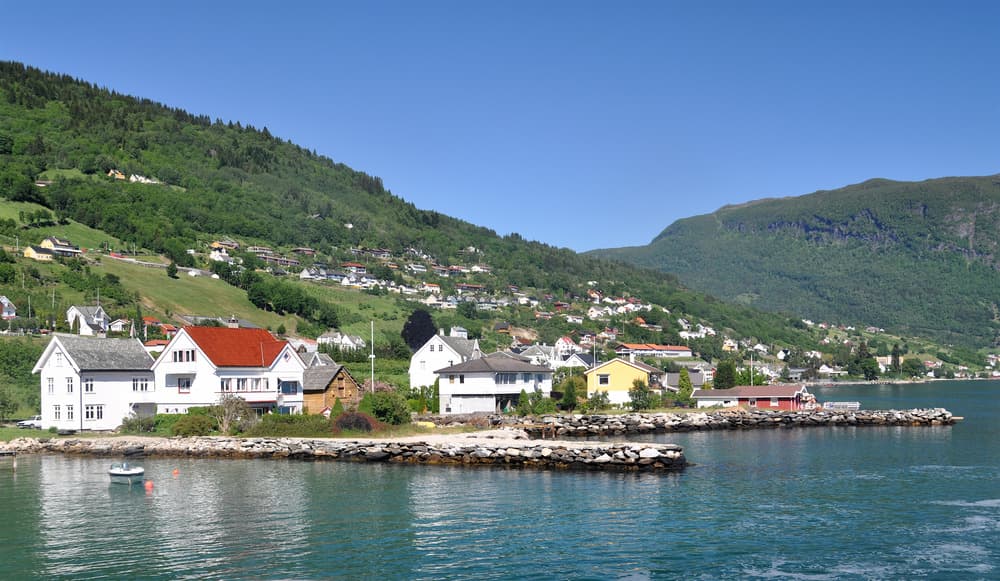
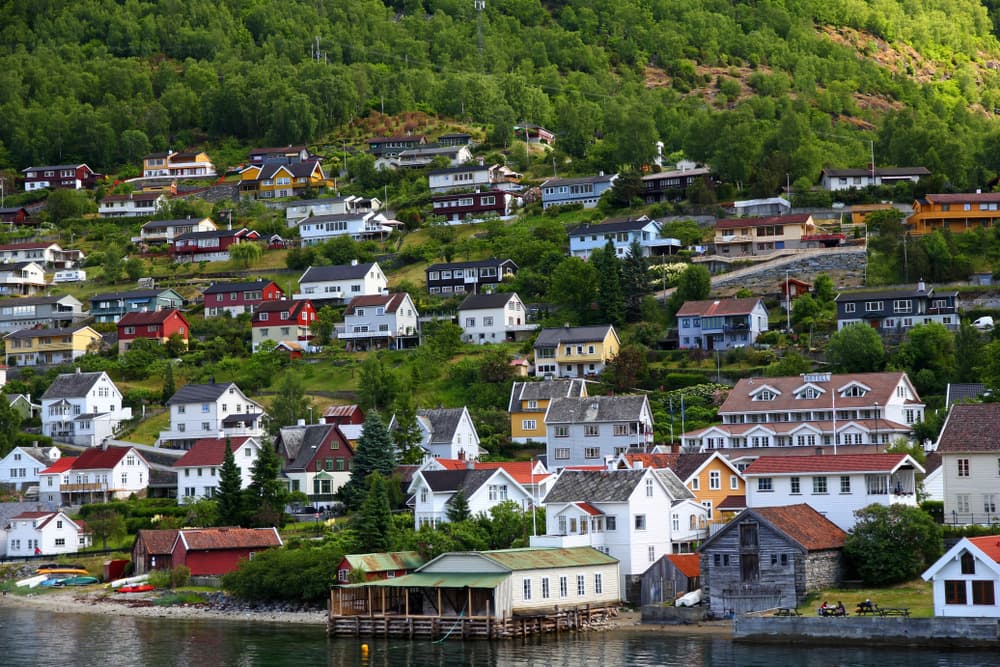
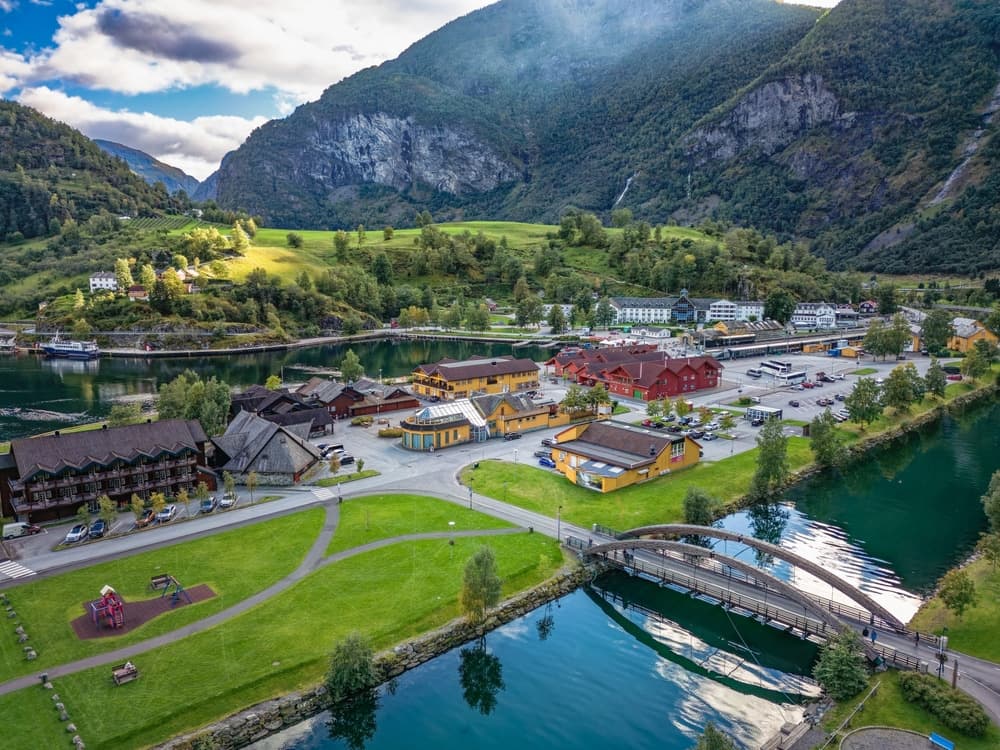
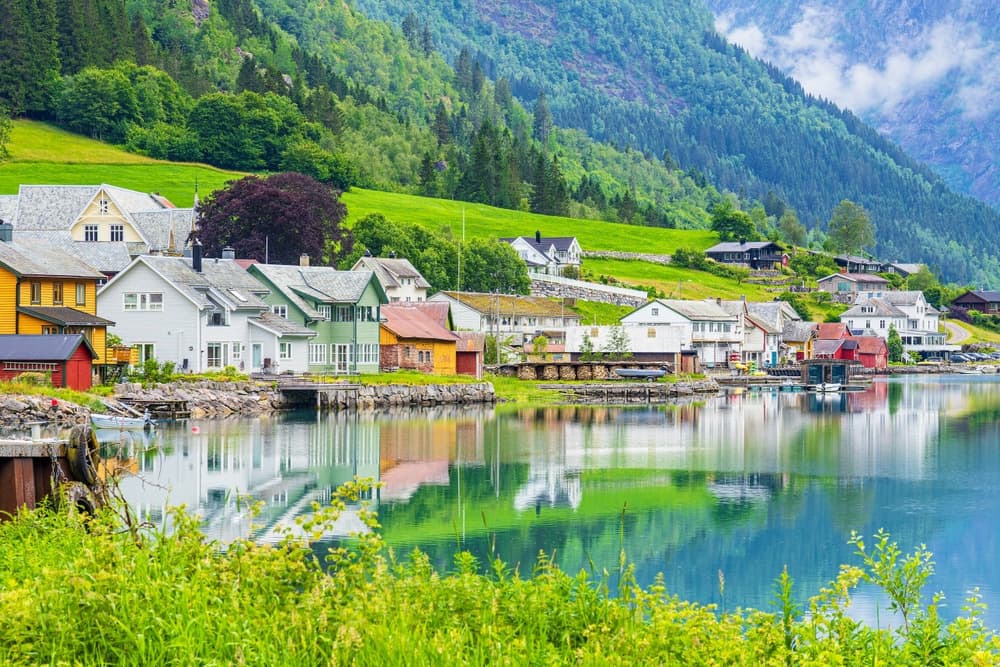
Beyond the major cities, the region lives from livestock farming, fishing, and now tourism. Undredal, a village of 80 inhabitants accessible only by a road opened in 1988, has produced since the 12th century a brown goat cheese, geitost, made from caramelised whey. At Balestrand, on the shores of the Sognefjord, wooden villas with dragon-shaped roofs attest to the enthusiasm of German Romantic painters in the late 19th century. Flåm, with 350 inhabitants, became a railway hub thanks to its line built between 1923 and 1947 that climbs from 2 to 866 metres elevation in 20 kilometres, crossing 20 tunnels, 18 of which were hand-excavated.
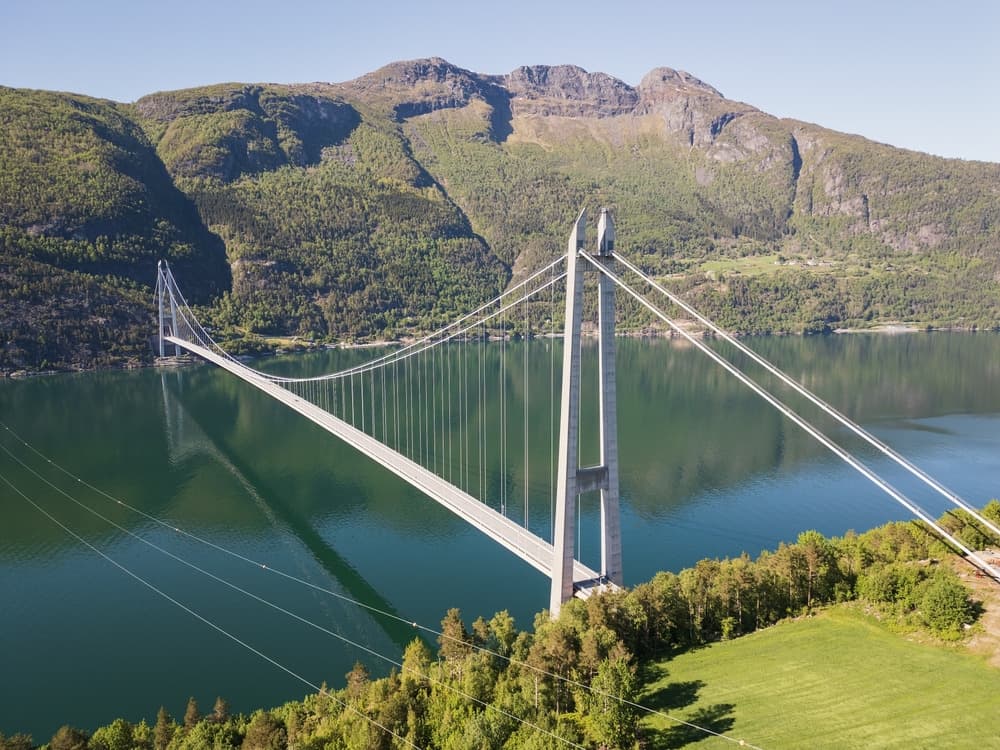
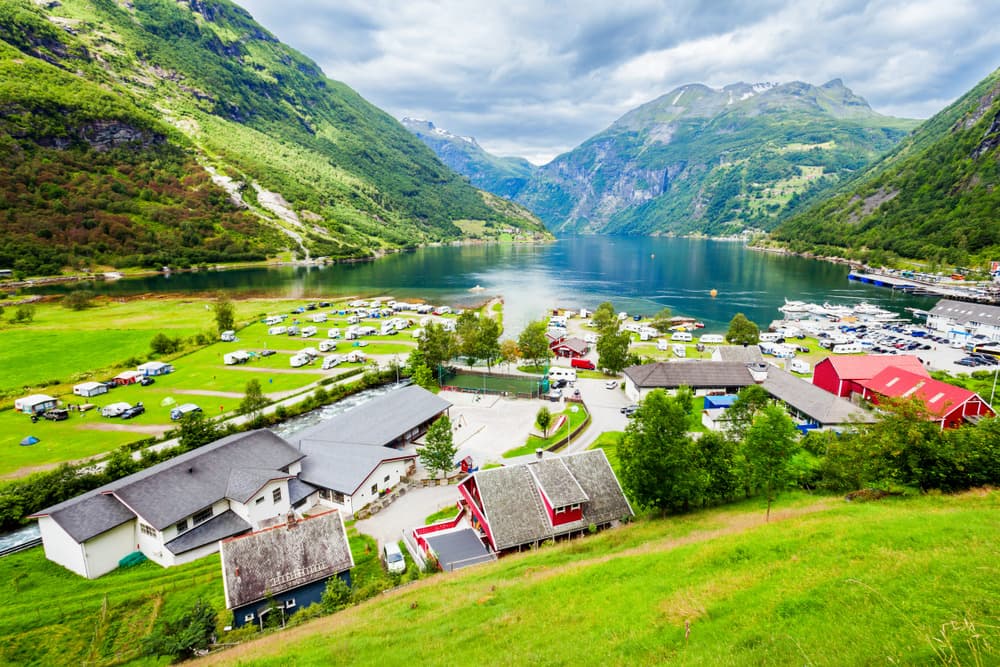
The landscapes vary by register. To the south, the Hardangerfjord and its 200 kilometres of banks planted with apple and cherry trees, blooming around 10 May. Above, the Hardangervidda plateau, spanning 8,000 km², hosts Europe's largest wild reindeer population. From the fjord, trails ascend towards Trolltunga, a rocky tongue suspended 700 metres above Ringedalsvatnet lake, and towards Preikestolen, a square plateau of 25 metres per side dominating the Lysefjord from 604 metres. Further north, the Geirangerfjord distinguishes itself by its free-falling waterfalls, the Seven Sisters and the Bridal Veil, and by old farms clinging to the cliffs, Skageflå and Knivsflå, abandoned in the 1960s.
The tourist season concentrates from May to September, but the shoulder seasons seem more appropriate to us. In June, waterfalls are at peak flow thanks to snowmelt, days last nearly 19 hours at Bergen's latitude, and Hardanger's apple trees still bloom. In September, birches turn golden, cruise ships become scarce, and temperatures remain around 12 to 15°C during the day. Villages like Geiranger, with only 250 permanent residents, see up to 600,000 visitors in July-August. We systematically direct towards accommodation away from the main hubs: a farm in Aurland, an inn in Solvorn facing the 12th-century wooden stave church of Urnes (UNESCO site), a family hotel in Mundal on the shores of Fjærlandsfjord.
Cuisine is built around the sea and high-altitude farms. Dried Lofoten cod eaten year-round, fjord salmon, Hardanger mussels, juniper-smoked lamb, brown cheeses. Hardanger cider has held AOC status since 2009, produced by about twenty farms between Lofthus and Ulvik. We regularly organise stops at these producers, who open their cellars from May to October.
To discover
The Flåm railway and Nærøyfjord. Descent from Myrdal to Flåm over 20 kilometres with a stop at Kjosfossen waterfall, then a silent electric boat through the narrowest arm of the Sognefjord. Allow a full day from Bergen or Oslo.
Trolltunga hike. 28 kilometres return from Skjeggedal, 10 to 12 hours of walking to reach the rocky tongue at 1,100 metres. Open from mid-June to mid-September without a guide. We recommend staying in Tyssedal the night before to set off before 7 a.m.
Undredal cheese and Aurlandsfjord. Village of 80 inhabitants and 500 goats, its stave church from 1147 is Norway's smallest. Visit to the family cheese-maker Undredal Stølsysteri where geitost is still produced in copper cauldrons.
Hardanger cider and orchards. Route through farms between Lofthus and Ulvik in May beneath apple blossoms, or in September for AOC cider tastings. About twenty producers open their cellars, accessible by car or ferry from Norheimsund.
The wooden stave church of Urnes. Built around 1130 on the heights of Lustrafjord, it is the oldest of Norway's 28 surviving stave churches, UNESCO-listed for its late Viking art sculptures. Accessible by a small ferry from Solvorn.
When to go
The operational window runs from May to September. May offers Hardanger's apple blossoms around the 10th and waterfalls swollen by snowmelt, but some high mountain passes like the Trollstigen Road 63 only open from late May. June and early July combine the advantages: long days (sunrise 4:30 a.m., sunset 11 p.m. at Bergen's latitude), temperatures of 15 to 20°C during the day, clear trails. July-August remain the warmest months (up to 22°C) but also the busiest, with cruise ships discharging 5,000 passengers per day at Geiranger or Flåm. September marks our favourite season: crowds dispersed, first autumn colours on the birches, temperatures still acceptable from 10 to 15°C.
From October to April, most mountain roads and hiking trails are closed, ferries operate on reduced schedules, and rain dominates at low altitudes (up to 25 days of precipitation in November in Bergen). It is, however, the season for ski touring near Ålesund at Sunnmøre, possible from February to April, for a specialised audience.
Practical advice
We recommend 7 to 10 days for the Western Fjords alone, enough time to combine two or three fjords without rushing. Distances appear short on the map but detours via ferries and tunnels lengthen driving times: Bergen-Geiranger takes 8 hours effective time with two crossings. Bergen airport receives direct flights from Paris and Amsterdam, while Ålesund allows a north-south loop without backtracking. A classic itinerary departs Bergen, heads up towards Flåm and the Sognefjord, crosses the Jotunheimen or reaches Geiranger, and ends at Ålesund.
Combination with Oslo and Østlandet happens naturally via the Bergen-Oslo train, seven hours of railway through the Hardangervidda plateau, one of Europe's finest train journeys. To extend towards the Arctic north, a domestic flight from Ålesund or Bergen reaches the Lofoten in 1 hour 45 minutes or Tromsø in 2 hours. The region suits contemplative landscape lovers, hikers of all levels, and families with children from 7-8 years old. Comfort is high everywhere: farm hotels, historic wooden inns, lodges facing the fjords, with no rustic accommodation except by choice. Budget remains one of Europe's highest and should be anticipated.