Svolvær
Svolvær
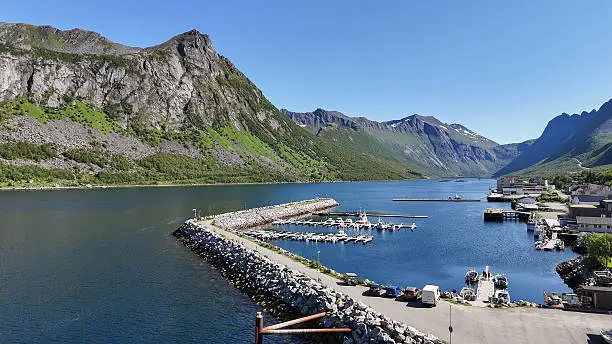
Svolvær is the gateway to the Lofoten Islands, beyond the Arctic Circle. A bustling port, jagged peaks, winter northern lights and summer midnight sun—the city encompasses everything that makes this Norwegian archipelago unique.
Svolvær is the capital of the Lofoten Islands, an archipelago in northern Norway situated beyond the Arctic Circle. The town stretches between fjords and abrupt rocky peaks, overlooking a busy port where fishing boats and ferries converge. It's the natural entry point for exploring the islands: alpine hiking, fishing villages, northern lights in winter and midnight sun in summer.
Practical information at a glance
- Access: direct flights from Oslo, Bergen or Bodø to Svolvær airport (SVJ); ferry from Bodø (Hurtigruten or Norled).
- Recommended duration: 2 to 4 days to explore the archipelago.
- Best time to visit: February-March for the northern lights and Arctic cod fishing; June-July for the midnight sun and hiking.
- What to wear: thermal base layers essential even in summer; waterproof jacket mandatory.
What to see
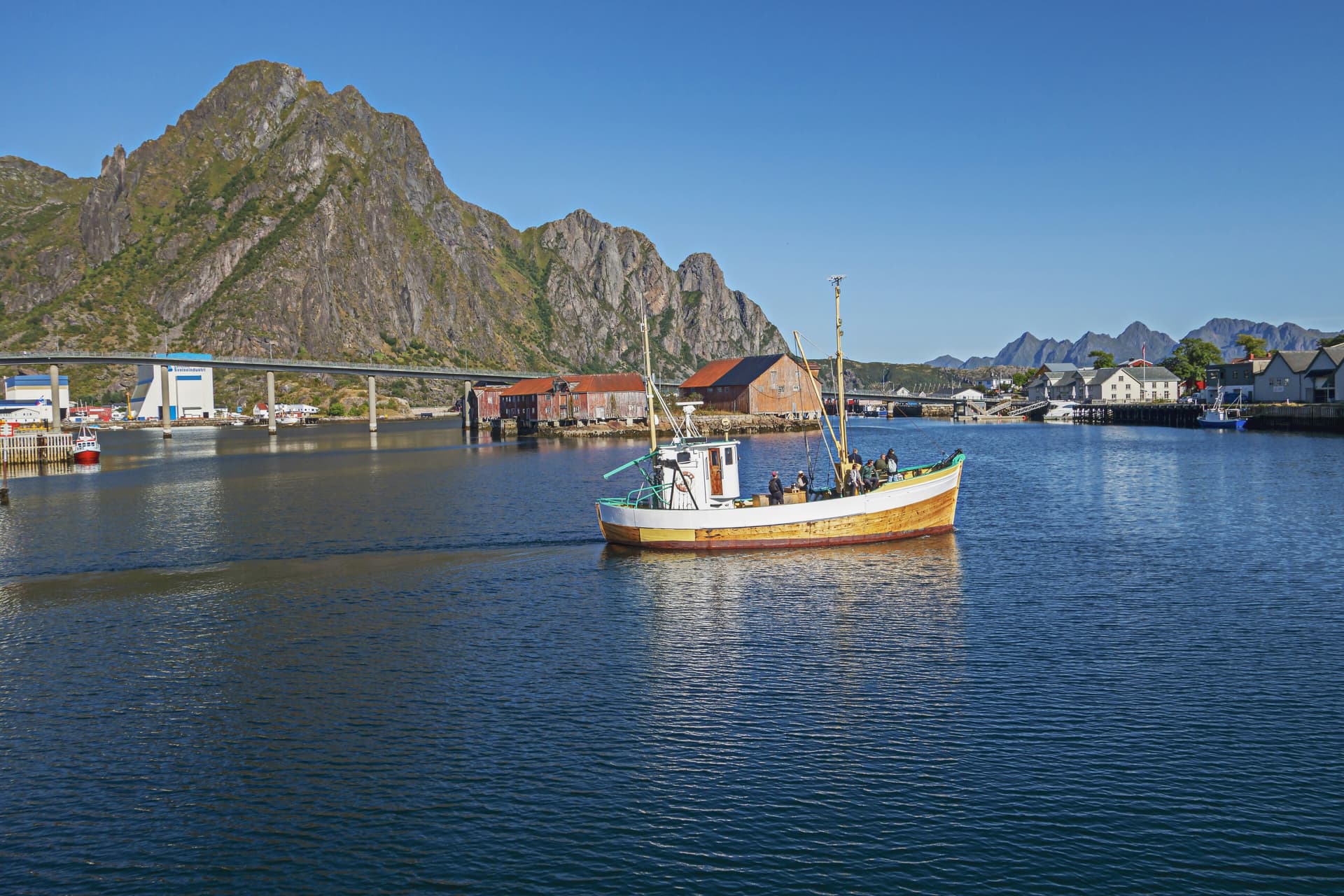
Svolvær's port concentrates the essence of local life: fish auctions, rorbu (converted fishermen's cabins serving as lodging), art galleries and seafood restaurants. Behind the town, the two peaks of the Svolværgeita ("the goat of Svolvær") dominate the landscape at approximately 764 metres elevation. The Magic Ice Bar, a museum of ice sculptures, and the Norwegian Fishing Village Museum at Å round out the archipelago's cultural offerings.
History and context
The Lofoten Islands have been inhabited for over 6,000 years. Svolvær developed as a commercial and administrative hub in the 19th century, capitalizing on the seasonal migrations of fishermen coming to catch Arctic cod (skrei) each winter. This dried fish trade—stockfish—shaped the local economy for centuries and remains a living activity today.
Highlights of your visit
The Svolværgeita
These two rocky horns are the symbol of the town. Experienced climbers attempt the leap between the two peaks, a legendary feat in Norwegian climbing history. Local guides offer ascents for experienced hikers.
The port and fish market
In winter, the port springs to life at dawn with the arrival of boats laden with skrei. The fish-drying racks (hjell) covered with cod create a characteristic visual and olfactory spectacle of the Lofoten from January to April.
The midnight sun and northern lights
From late May to mid-July, the sun doesn't set. From November to February, northern lights are frequent under clear skies. Both phenomena make Svolvær a destination for two distinct seasons.
Sea kayaking and boat excursions
Several local operators offer sea kayaking trips through the fjords around Svolvær, as well as boat excursions to puffin colonies and white-tailed eagle waters.
Photography tips
Golden hour light remains low and long for several hours in summer at the Lofoten, ideal for photographing the port and colourful rorbu. In winter, seek moonless nights for northern lights. The Svolværgeita photographs best from the fjord's edge, facing northwest, in late afternoon. No photographic restrictions in public spaces.
Location and access
Svolvær sits on the island of Austvågøya, the largest of the Lofoten, in Nordland county. The airport is a few minutes from the town centre. The E10 road connects Svolvær to the entire archipelago as far as Å at the southern tip. Local shuttles and buses serve the main villages. Disabled accessibility is limited in historic port areas and on hiking trails.
Nearby attractions
- Henningsvær — fishing village perched on several islets, renowned for its art galleries and a football pitch suspended above the fjord.
- Reine — village often cited among Norway's most beautiful, surrounded by mountains plunging into Reinefjord.
- Nusfjord — one of the archipelago's best-preserved fishing villages, listed as European heritage.
- Lofoten War Museum — chronicles the 1941 Allied raids on the archipelago, located in Svolvær itself.
- Trollfjord — narrow and spectacular fjord accessible by boat from Svolvær, surrounded by sheer rock walls.
Frequently asked questions
Two seasons stand out: winter (February-March) for the northern lights and skrei fishing, and summer (June-July) for the midnight sun and hiking. Spring and autumn offer fewer tourists but more unpredictable weather.
Direct flights connect Oslo to Svolvær airport (SVJ) in approximately two hours. You can also fly to Bodø and then take a ferry to Svolvær, a crossing that takes around three and a half hours.
A car is strongly recommended to explore the archipelago at your own pace. Car rental agencies are available at Svolvær airport. Local buses exist but frequencies are limited, especially outside peak season.
Yes, from November to February under clear skies. Move away from the port lights for better viewing conditions. Specialist weather apps (such as Aurora Forecast) help anticipate favourable nights.
Plan at least two days for Svolvær and its immediate surroundings. To explore the entire archipelago as far as Reine or Å, allow four to five days.
No. The summit is reserved for experienced climbers. Less technical hikes around Svolvær suit a wider audience, particularly towards Tjeldbergtind or Fløya.
Attractions in Svolvær
Îles Lofoten
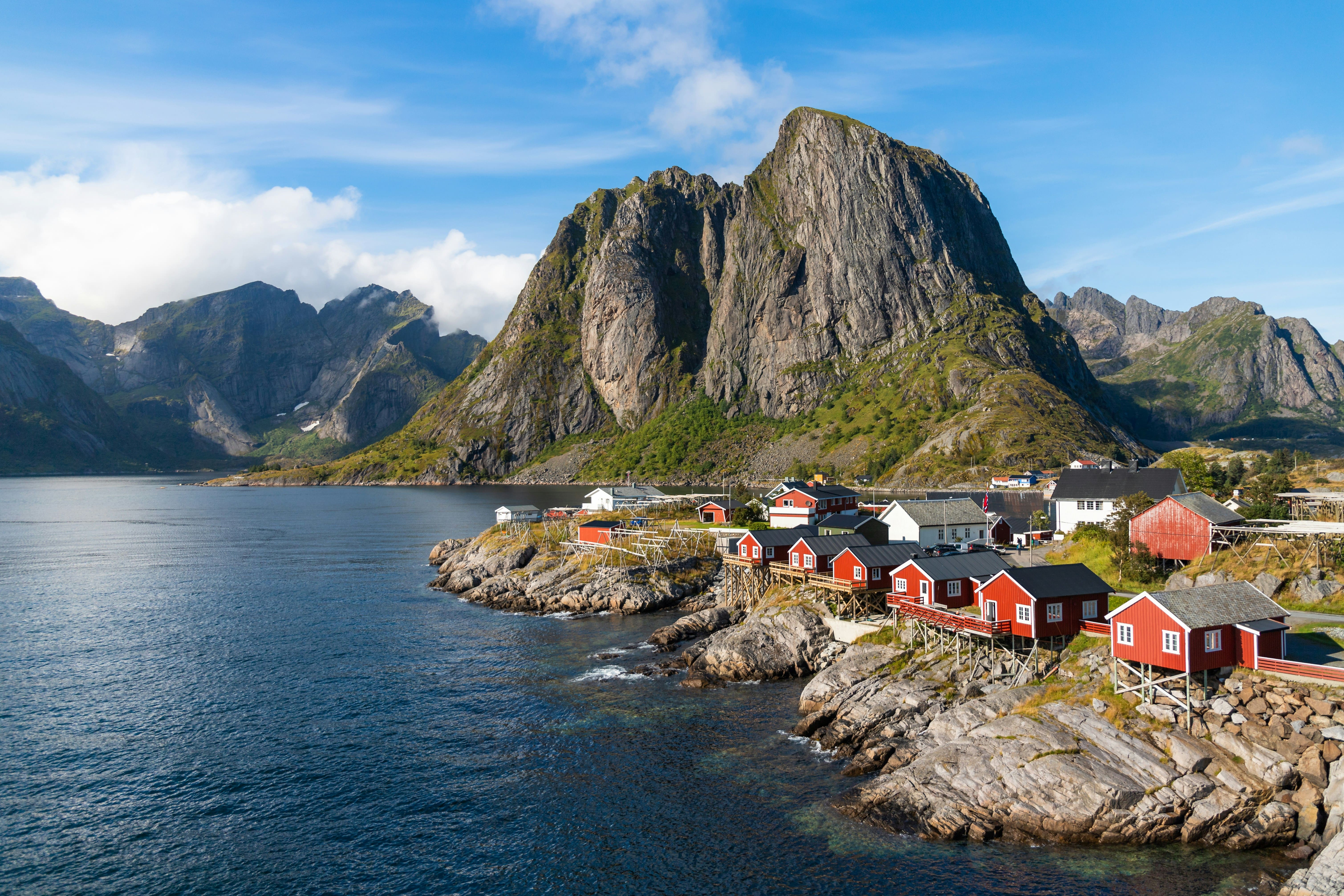
Archipel arctique de Norvège aux pics rocheux plongeant dans la mer, les Lofoten combinent villages de pêcheurs centenaires, aurores boréales hivernales et soleil de minuit estival dans des paysages d'une intensité rare.
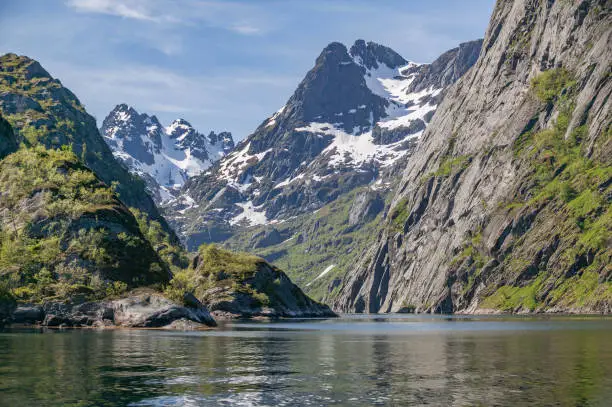
Trollfjord
Couloir rocheux de deux kilomètres entre des falaises quasi verticales, le Trollfjord se visite en bateau depuis Svolvær. Aigles à queue blanche, lumière hivernale et histoire de pêcheurs en font un passage unique des Lofoten.
Want to discover this destination?
Our local advisors design your tailor-made trip.