Sortland
Nicknamed the 'blue city', Sortland is the heart of the Vesterålen islands, beyond the Arctic Circle. The perfect base for fjords, whales and the route to Lofoten.
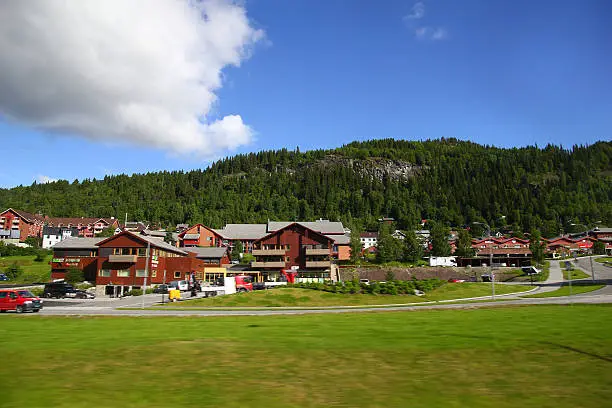
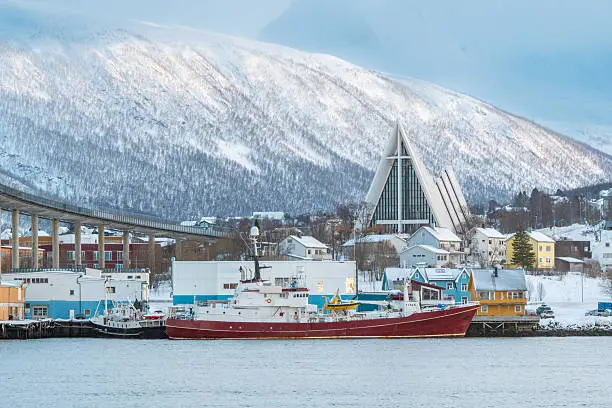
Sortland is the main town of the Vesterålen islands in northern Norvège, beyond the Arctic Circle. Nicknamed the "blue city" for its buildings painted in various shades of blue, it serves as an ideal base for exploring surrounding fjords, wild islands and fishing villages. Its active port, museums and proximity to Lofoten make it a logical stop on the road north.
Practical information at a glance
- Access: Stokmarknes airport (Skagen) approximately 30 km away; ferry from Bodø via Lofoten; national route E10.
- Recommended duration: 1 to 2 days for the town and immediate surroundings.
- What to wear: warm and waterproof clothing year-round; Arctic summer remains cool and windy.
What to see
Sortland's most striking feature is its blue-painted architecture — an artistic initiative launched in the 1990s that transformed facades, bridges and public buildings. The fishing port remains lively: trawlers, ferries and pleasure boats mingle here. The town also has shops, restaurants and services that make it the logistical hub of Vesterålen.
History and context
Sortland developed as the commercial and administrative centre of Vesterålen in the 20th century. The region has long lived off cod and herring fishing. The "Blå by" (blue city) project was born from a collaboration between the municipality and local artists to give the town a strong visual identity.
Highlights of a visit
The "blue city"
Walking through the centre to spot the blue-painted buildings — each shade is different — makes for an original stroll. The bridge and quays offer the most photographed views.
The Vesterålen Museum (Sortland)
The regional museum presents the maritime and cultural history of the Vesterålen islands, with collections on traditional fishing and Arctic daily life. Check opening hours on-site or with the local tourism office before your visit.
Excursions to the fjords
Sortland is the departure point for reaching Andøya (whale watching), Langøya and the fishing villages of Nyksund or Stø. These excursions often form the heart of a stay in Vesterålen.
Photography tips
The raking light of the midnight sun (June-July) bathes the blue facades in a unique golden hue. The port, early in the morning, offers still reflections on the water. In winter, the northern lights can appear above the rooftops — a tripod is essential.
Location and access
Sortland sits on the island of Langøya, connected by bridges and tunnels to neighbouring islands. Route E10 runs through the town and links Vesterålen to Lofoten to the south. Regional buses serve surrounding villages. The town centre is compact and accessible on foot; accessibility for people with mobility challenges is adequate on main thoroughfares.
In the surrounding area
- Nyksund — abandoned fishing village then revived, with a timeless atmosphere.
- Stø — departure point for whale and orca watching cruises in season.
- Andenes — lighthouse and whale-watching centre in northern Andøya.
- Lofoten Islands — accessible via E10, with iconic fjord landscapes and rorbuer villages.
- Stokmarknes — Hurtigruten museum, history of the famous Norwegian coastal ferry.
Frequently asked questions
Summer (June-August) offers the midnight sun and the best conditions for sea excursions. Winter (November-February) is northern lights season, but days are very short and some services reduced.
Whale-watching trips depart mainly from Stø and Andenes, approximately an hour's drive away. Sortland serves as an accommodation base for these excursions.
Route E10 directly connects Sortland to Lofoten via bridges and tunnels. The journey to Svolvær takes approximately two hours by car.
The "Blå by" (blue city) artistic project was launched in the 1990s to give Sortland a strong visual identity. Each building displays a different shade of blue, chosen in consultation with owners and artists.
A car is strongly recommended: the most interesting villages (Nyksund, Stø, Andenes) are poorly or not served by public transport, especially outside the season.
Want to discover this destination?
Our local advisors design your tailor-made trip.